























The Cotton Wreath: A Powerful Denim Tears Symbol
Denim Tear is the Official Store with the Denim Tears Clothing And Choose your favorite one from our store in your Budget. New Collection 2025.

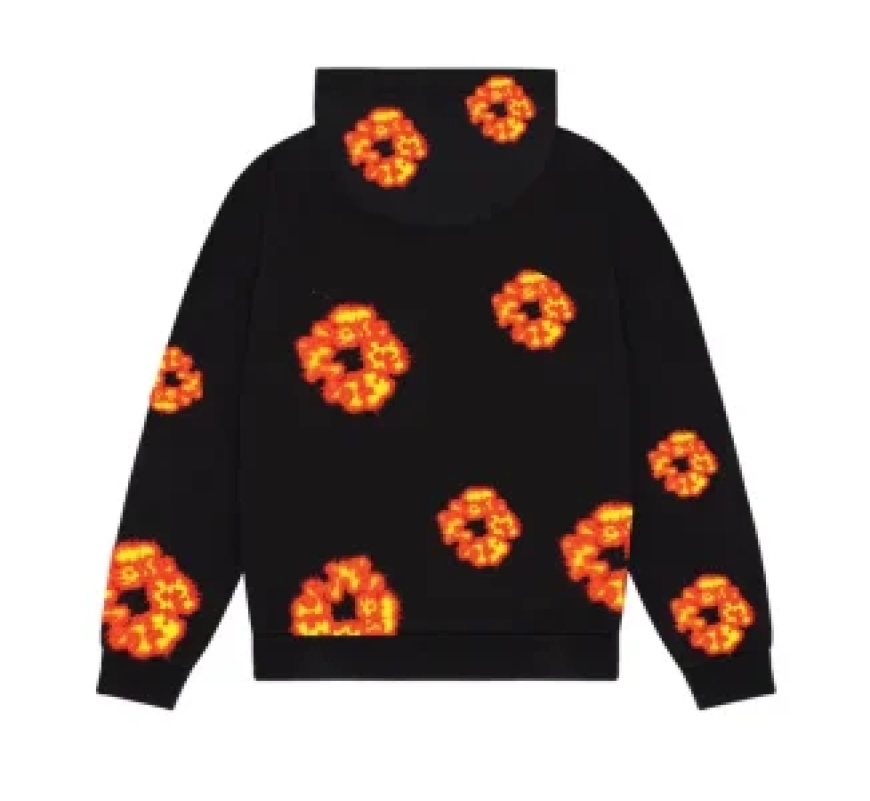
In the ever-evolving world of fashion, where design intersects with culture, identity, and history, few brands have emerged as both stylish and socially resonant. Denim Tears, founded by Tremaine Emory in 2019, is one such brand. While it has become denim tears widely recognized for its bold graphics and collaboration with major fashion houses, it is the cotton wreath motifprominently featured in its early collectionsthat stands out as one of the most potent symbols in modern streetwear. This simple yet deeply loaded image carries a weight far beyond fashion aesthetics. It acts as a visual protest, a memorial, and a conversation starter. Its more than designits declaration.
The Origins of Denim Tears
Denim Tears was launched as a storytelling platform first and a clothing brand second. Tremaine Emory, a creative polymath who has worked with Kanye West, Frank Ocean, and Virgil Abloh, used the label to confront and communicate the historical trauma of African Americansspecifically their connection to the cotton industry in the United States. Unlike many fashion brands that avoid political statements, Denim Tears thrives on them. Its debut collection focused heavily on the cotton industry and its ties to slavery, using clothing as a medium to explore themes of ancestry, pain, and resilience.
This direct approach was not without risk. In an industry often driven by trends and profit margins, Emory opted for truth-telling. And at the heart of this truth-telling was the cotton wreath.
The Symbolism of the Cotton Wreath
At first glance, the cotton wreath may appear innocuousmaybe even decorative. But within the context of American history, it carries profound implications. Cotton was the engine of the American economy in the 18th and 19th centuries. Enslaved Africans were forcibly brought to work the cotton fields of the South, under inhumane conditions, to support this booming industry. Cotton, in this context, is not just a cropit is a symbol of oppression, suffering, and the commodification of Black lives.
By forming a wreath out of cotton, Denim Tears flips this narrative. A wreath typically symbolizes mourning, remembrance, or honor. It is used to commemorate the dead, to mark respect, and to express solemnity. The combination of cotton and wreath becomes an emblem of both mourning and resistance. It memorializes the generations of Black people whose labor built America, yet whose suffering has been largely whitewashed or ignored in mainstream narratives. It forces viewers to confront the historical cost of the garments they wear.
Fashion as Protest
The genius of the cotton wreath lies in its subtlety. Theres no need for slogans or hashtags. The image itself carries all the weight it needs. By placing this symbol on denim jackets, hoodies, and jeans, Denim Tears invites wearers and viewers alike to reckon with Americas complicated racial history. It turns fashion into protest. It makes a political and historical statement through a medium often dismissed as superficial or commercial.
The use of denim is also intentional and deeply layered. Denim is an American staple, long associated with the working class, cowboys, and blue-collar labor. However, it's also a material that has been used and worn in slave labor contexts. By embedding the cotton wreath into denim, Denim Tears challenges the conventional narrative surrounding this fabric, connecting it back to its exploitative roots.
Mainstream Recognition and Impact
Denim Tears commitment to cultural commentary hasnt gone unnoticed. The cotton wreath motif, in particular, has garnered attention from both fashion insiders and cultural commentators. Celebrities, influencers, and artists have been spotted wearing the symbol, turning what might have been a niche artistic gesture into a globally recognized visual cue.
But the popularity hasnt dulled its message. In fact, as more people wear and share the cotton wreath, its impact grows. It creates conversationssometimes uncomfortable onesabout race, labor, capitalism, and the legacy of slavery in the United States. And these are the conversations Emory wants to provoke. He has said in interviews that he views his collections as educational tools, a way to teach history that many were never exposed to in school.
This is fashion not as fantasy, but as realitya sharp contrast to the escapism often associated with runway shows and seasonal trends.
A New Era of Conscious Design
The rise of the cotton wreath reflects a broader shift in the fashion industry. Todays consumers are increasingly interested in the story behind what they wear. Sustainability, ethical labor, and cultural integrity are all part of the conversation now. Denim Tears taps directly into this ethos, offering not just a product, but a narrativeone thats urgent, raw, and unapologetically honest.
In an industry often accused of cultural appropriation, Emorys work with Denim Tears is the opposite: it is cultural reclamation. By centering Black voices and experiences, by using symbols like the cotton wreath that are deeply tied to a painful history, Denim Tears restores dignity and visibility to stories long silenced. The brand doesnt just acknowledge the pastit gives it form, texture, and visibility.
The Power of Symbolism in Fashion
Symbols have always played a crucial role in shaping political and cultural consciousness. The cotton wreath joins a lineage of powerful symbols in fashionlike the raised fist, the pink pussy hat, or the keffiyehthat transcend their material form to become statements of belief.
Yet, what makes the cotton wreath particularly effective is its duality. It is quiet but firm. Subtle but impactful. Beautiful but haunting. It doesnt shoutbut it lingers in the mind, pressing its meaning forward with every glance.
This duality also reflects the Black experience in America: resilience forged through struggle, beauty born from pain, and strength in remembrance. The cotton wreath encapsulates all of thisserving not just as a logo, but as a living symbol of cultural memory.
Conclusion: More Than Just a Brand
Denim Tears, and particularly its cotton wreath symbol, represents a new direction in fashionone where authenticity, history, Denim Tears Shirt and storytelling come before profit and prestige. It forces an industry that often avoids confrontation to sit with discomfort. And in doing so, it offers healingnot through denial or forgetting, but through remembrance and acknowledgment.
The cotton wreath is not just a clever graphic. It is a mirror held up to America, asking: Do you remember what built this land? In every stitch, every thread, it insists that the past is not pastits woven into the very fabric of the present.
In the end, wearing Denim Tears is not just about making a fashion statement. Its about making a human statement. The cotton wreath is a badge of remembrance, an emblem of pride, and a quiet but powerful call to never forget.