

























What to Know Before Teaching Pilates in Studios

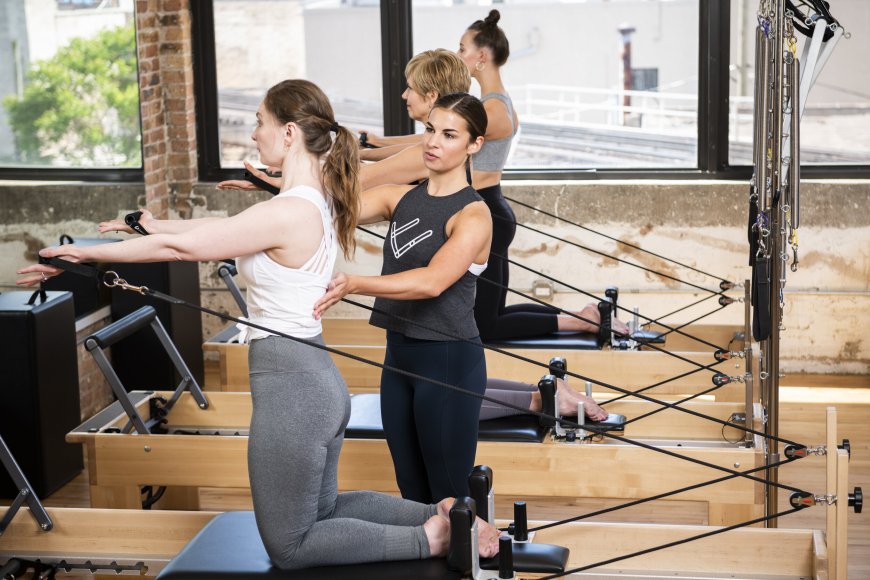
Teaching Pilates in a professional studio can be a rewarding and fulfilling career path for fitness enthusiasts and wellness professionals. However, stepping into a studio setting as an instructor brings its own unique set of responsibilities, expectations, and challenges. Whether you're newly certified or transitioning from private sessions to studio teaching, it's essential to understand what the role entails beyond simply leading a class. From credentialing and insurance to studio culture and client rapport, preparation is key to success.
For example, if you're aspiring to work as apilates instructor nyc, a city known for its dynamic fitness scene and competitive marketplace, understanding studio dynamics becomes even more critical. Lets explore the vital aspects of teaching Pilates in a studio setting so you can enter the space confidently and competently.
Key Points
- Certification and continuing education are essential prerequisites.
- Understanding studio expectations and culture is crucial.
- Insurance, liability, and business logistics must be in place.
- Strong communication and client relationship skills are vital.
- Adaptability and understanding of group dynamics improve class quality.
Understanding the Pilates Landscape
Pilates has evolved significantly since its inception by Joseph Pilates. Today, there are multiple styles and approaches, including Classical, Contemporary, and hybrid forms. Studios may specialize in one methodology or offer a variety of class types, including mat, reformer, tower, and more.
Styles and Studios
Before applying to teach, it's important to understand what kind of Pilates the studio offers. Classical Pilates studios tend to follow a structured sequence of exercises closely modeled after Joseph Pilates' original work, while Contemporary studios may integrate modern movement science and vary routines.
Research the studios approach and attend several classes to develop a feel for its methodology. Aligning with the studios philosophy will not only help you integrate better but also improve your teaching quality and student experience.
Education and Certification Requirements
Most reputable studios require instructors to be certified through a well-recognized Pilates education program. Comprehensive certifications typically cover anatomy, mat Pilates, and apparatus like the reformer, Cadillac, chair, and barrels.
Accredited Programs
- Balanced Body
- STOTT Pilates
- BASI Pilates
- Polestar Pilates
- Romanas Pilates (for Classical training)
These programs often require 450600 hours of training and include practice teaching, observation, and assessment. Studios will also look favorably on instructors who commit to continuing education, attend workshops, and stay updated with movement science and pedagogy trends.
Liability Insurance and Legal Readiness
Before teaching in any studio, you must have professional liability insurance. This protects you in case a client is injured during a session under your instruction. Many studios will require proof of insurance before allowing you to teach on-site.
Other Legal Considerations
- First Aid and CPR certification
- Independent contractor agreements (if not employed full-time)
- Business licenses (if operating as an LLC or sole proprietor)
Familiarizing yourself with these requirements early on can prevent last-minute holdups and legal complications.
Studio Culture and Expectations
Each studio has its own culture, which affects everything from dress code and punctuality to interpersonal dynamics and class style. Understanding and adapting to a studio's culture is essential for creating a seamless experience for clients and colleagues alike.
Professional Conduct
Studios often expect instructors to arrive early, greet clients professionally, and maintain the cleanliness and organization of the space. Communication with the studio manager and other instructors is key to ensuring smooth transitions between classes and a unified client approach.
Dress Code and Presentation
Most studios prefer instructors to wear form-fitting, professional activewear that allows clients to see body movement clearly. Avoid wearing distracting jewelry or overly branded attire unless it aligns with the studios brand partnerships.
Building Client Relationships
In a studio setting, client retention is just as important as client acquisition. How you connect with clients will directly impact your professional success. Unlike private settings, studio clients may come and go, and establishing trust quickly is essential.
Tips for Effective Client Engagement
- Use names whenever possible to personalize the experience.
- Provide individual corrections in a respectful and encouraging tone.
- Ask for feedback and adjust your teaching accordingly.
- Be approachable before and after class for questions.
Building rapport doesnt mean oversharing personal experiencesit means being attentive, respectful, and supportive throughout their fitness journey.
Teaching Group vs. Private Sessions
Studios often offer both group and private Pilates sessions. Each setting requires a different skill set and approach.
Group Classes
In group settings, instructors must manage time efficiently, cue exercises clearly, and accommodate varying skill levels. Knowing how to offer modifications and progressions is key to inclusive and effective teaching.
Private Sessions
Private clients often have specific needs or goals, such as injury rehabilitation or athletic performance. These sessions demand a deeper understanding of anatomy and kinesiology. They also offer an opportunity to build long-term client relationships and refine your teaching craft.
Understanding Equipment and Studio Layout
Studio-based Pilates often involves equipment like reformers, towers, Cadillacs, and barrels. Being comfortable with setup, safety protocols, and spatial organization is crucial.
Equipment Maintenance
Many studios expect instructors to sanitize and inspect equipment before and after use. Familiarize yourself with maintenance routines and recognize when a piece of equipment may need professional servicing.
Continuing Education and Professional Development
Staying relevant in the competitive Pilates environment means regularly updating your skills. Many instructors pursue additional certifications in areas like pre/post-natal Pilates, injury rehabilitation, or specialized apparatus techniques.
Recommended Practices
- Attend annual workshops and conferences.
- Engage in peer observations or co-teaching opportunities.
- Join professional networks or online communities.
- Seek mentorship from experienced instructors.
Continual learning not only enhances your teaching but also demonstrates your commitment to professional excellence.
Time Management and Career Strategy
Building a career in studio Pilates often means managing a fluctuating schedule. Classes may occur early in the morning, late in the evening, or on weekends. Balancing teaching hours with recovery, personal fitness, and administrative tasks is essential.
Tips for Managing Your Schedule
- Block time for self-care and continuing education.
- Use scheduling tools and reminders for client sessions.
- Track your hours and income to monitor progress.
- Set boundaries to avoid burnout.
Its also wise to diversify your income streams by offering private sessions, workshops, or even online classes.
Conclusion
Teaching Pilates in a studio is about more than delivering a good workoutit's about creating a supportive, educational, and empowering experience for clients. From certifications and insurance to interpersonal skills and professional development, being prepared in all aspects will help you thrive. Whether you're in a small boutique studio or a busy urban center like New York City, your success as a Pilates instructor hinges on a balanced combination of technical expertise, emotional intelligence, and professional commitment.
FAQ
Can I teach in a studio without a certification?
Most studios require a certified instructor from an accredited program. Some may allow apprenticeships or assistant roles, but full teaching responsibilities usually demand certification.
What type of insurance do I need?
Professional liability insurance is essential. Some providers also offer packages that include general liability and equipment coverage.
Do I need to know about all Pilates apparatus to teach in a studio?
It depends on the studios offerings. If the studio uses reformers, towers, or Cadillacs, youll need to be trained and certified to teach with those safely and effectively.
How do I handle clients with injuries?
Always stay within your scope of practice. Modify exercises as needed, and refer clients to a healthcare provider if their condition is outside your expertise. Consider additional training in rehabilitation-focused Pilates to expand your capabilities.
How many hours a week do most instructors teach?
This varies widely depending on location, studio demand, and instructor availability. Teaching 1525 hours a week is common, allowing time for planning, professional development, and recovery.
Is there a difference between Classical and Contemporary Pilates in studios?
Yes. Classical Pilates closely adheres to Joseph Pilates' original sequence and principles, while Contemporary Pilates incorporates modern movement science, anatomical variations, and creative sequencing. Each approach has its own teaching style and studio preference.
What are the biggest challenges for new instructors in studios?
Common challenges include managing diverse client abilities in one class, understanding studio expectations, time management, and building a steady client base. Seeking mentorship and being open to feedback can help overcome these hurdles.