

























How to Choose the Best Marine Radio Antenna Mount for Harsh Conditions
Your first consideration when buying a marine radio antenna mount should be material quality. Look for these options.

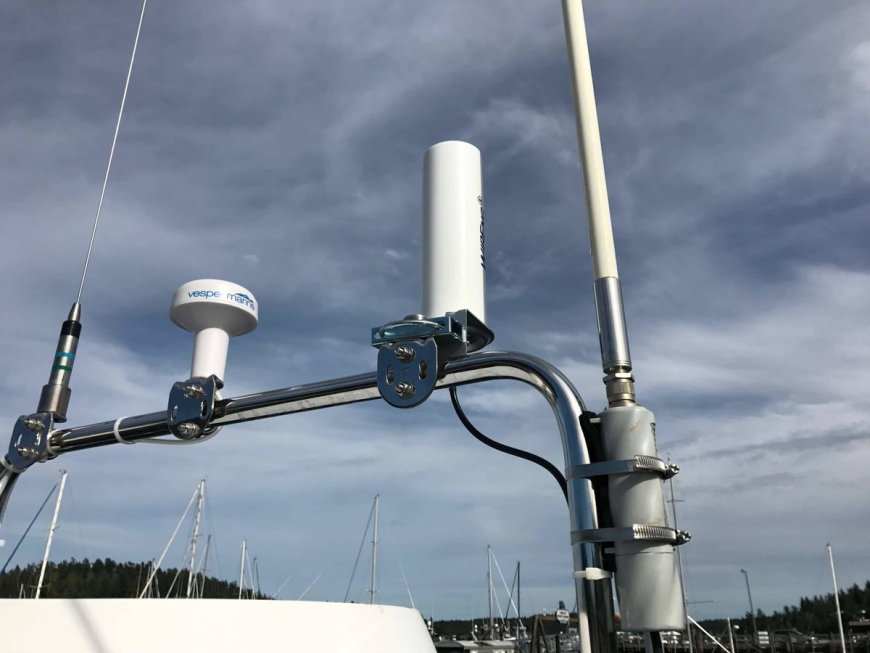
If you spend any time on the waterwhether sailing, fishing, or cruisingyou already know that marine environments are tough on equipment. Saltwater, strong winds, UV rays, and constant motion can wear down even the sturdiest tools. One of the most important pieces of gear to protect your communication system is a high-qualitymarine radio antenna mount.
Choosing the right marine radio antenna mount isnt just about convenienceits a decision that directly impacts the performance and reliability of your antenna. In this blog, well guide you through the essential features to look for, mistakes to avoid, and how to ensure your mount stands up to harsh marine conditions.
Why Marine Conditions Demand a Special Kind of Mount
A marine radio antenna mount must survive conditions far more aggressive than land-based mounts ever face. It must:
-
Withstand saltwater corrosion
-
Stay stable in constant motion
-
Hold up against high winds and rain
-
Endure long-term UV exposure
-
Resist rust, cracking, and loosening
A standard metal or plastic mount might work in calm lakesbut offshore or coastal waters will quickly expose its weaknesses. Thats why choosing a marine-grade antenna mount is crucial for safety and performance.
1. Material Matters: Choose Marine-Grade Construction
Your first consideration when buying a marine radio antenna mount should be material quality. Look for these options:
-
Stainless Steel Highly resistant to rust and corrosion. Ideal for offshore use.
-
Fiberglass-Compatible Nylon Mounts Lightweight, durable, and UV-resistant.
-
UV-Stabilized Plastic Affordable but only suitable for low-impact or freshwater environments.
Avoid mounts made with standard plastic or untreated metals. They may crack or corrode quickly, putting your antennaand your signalat risk.
Marine radio antenna mount options in stainless and nylon are best suited for long-term durability.
2. Choose the Right Mounting Style for Your Boat
Not all boats are built the sameand neither are their mounting surfaces. The marine radio antenna mount you choose should match your vessels structure and your antennas needs. Common types include:
-
Ratchet Mounts Allow adjustable tilt for optimal signal angle. Ideal for sailboats and yachts.
-
Rail Mounts Designed for boats with side or overhead rails. Great for fishing boats.
-
Flush Mounts Installed directly on a flat surface; sleek but less adjustable.
-
Swivel Mounts Allow full rotational adjustment, helpful for positioning during travel or storage.
If your boat requires flexible placement or fold-down storage, go for a ratchet or swivel marine radio antenna mount.
3. Match the Mount with Your Antennas Thread Size
One of the most overlooked details in antenna mounting is thread compatibility. Most marine antennas use a 1"-14 thread (standard in the marine industry), but its important to check before buying.
Installing a mismatched antenna and mount can lead to poor fitting, wobble, or even complete signal failure. Always verify that your chosen marine radio antenna mount fits the antennas threading perfectly.
4. Prioritize Ease of Adjustment and Locking Mechanism
Adjustability isnt just about convenienceit helps you aim the antenna for maximum performance. Harsh marine conditions require:
-
Strong locking knobs or clamps that wont slip in motion
-
Tiltable joints to change antenna angle based on sea condition
-
Quick-release systems for storage or bridge clearance
If your mount can't hold its angle in wind or waves, even the best antenna will perform poorly. Thats why adjustable marine radio antenna mount designs are a smart long-term investment.
5. Consider Installation Location and Signal Path
Signal clarity depends on line-of-sightwhich means your antenna must be mounted high and clear of obstructions. Choose a marine radio antenna mount that fits where you get:
-
The highest possible location on your boat
-
Minimal interference from radar domes or rigging
-
Protection from accidental damage (like dock impact)
Mounting it too low or too close to metal structures will reduce signal range.
Case Example: Offshore Fishing Boat in Karachi
A fishing crew in Karachi installed a basic plastic mount on their offshore vessel. After two months of saltwater exposure and high-speed trolling, the mount cracked during a storm, disabling the antenna mid-trip.
They replaced it with a stainless steel marine radio antenna mount rated for harsh conditions, which has lasted over two seasons without issue.
Moral of the story? The right mount keeps you connected when it matters most.
6. Look for Mounts Built Specifically for Harsh Use
Some mounts are marketed as marine but are not suitable for offshore or commercial-grade exposure. To ensure reliability, always check product specs for:
-
Corrosion resistance certifications
-
UV stability
-
Heavy-duty construction
-
Weather-sealed hardware
-
User reviews from actual boaters
And whenever possible, buy from a trusted marine supplier that specializes in high-performance marine radio antenna mount systems.
Conclusion The Right Mount Makes All the Difference
Dont let a small, inexpensive part be the weak link in your marine communication system. When conditions turn rough, your antenna mount needs to stay strong, steady, and reliable.
Invest in a marine radio antenna mount built for harsh environmentssomething that wont rust, slip, or crack under pressure.
Its more than a piece of hardware. Its the foundation of your communication system at sea.
For trusted options engineered for real-world marine use, explore the full range of high-durability marine radio antenna mount products now.