
























The Ultimate Guide to Stump Grinding: Everything You Need to Know
Stump grinding is more than just removing a chunk of wood from your yard—it’s about reclaiming your outdoor space, preventing future problems, and improving curb appeal. Whether you DIY or hire a professional, understanding the process gives you the confidence to make the best choice for your property.
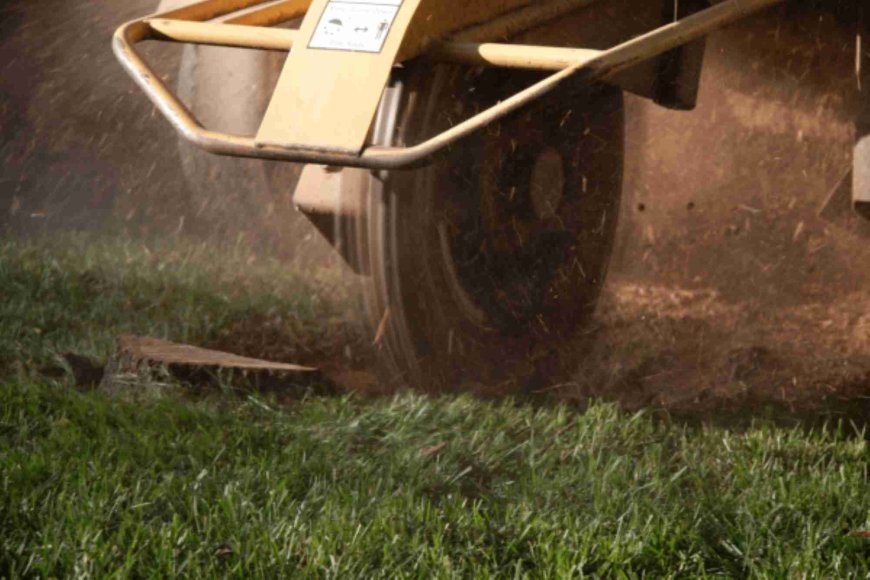
Stump grinding is the process of mechanically shredding a tree stump down below ground level using a powerful machine called a stump grinder. Unlike full stump removal, it doesnt involve digging out roots, which makes it quicker and less invasive.
Why Is It Necessary?
Leaving a stump behind after tree removal might seem harmless, but over time, it can lead to serious problems like attracting pests or ruining your yard's aesthetics. Stump grinding eliminates those risks and leaves your yard clean and flat.
The Dangers of Leaving a Stump Behind
Pests and Termites
Old tree stumps are an open invitation to termites, carpenter ants, and other wood-loving pests. These insects can eventually migrate to your home if not addressed.
Safety Hazards
Children running in the yard or even adults doing yard work can easily trip over a hidden or decaying stump. It becomes a liability, especially in rental or commercial properties.
Aesthetic Problems
No one wants a dead chunk of wood ruining the look of a well-maintained landscape. A leftover stump can make your yard appear unfinished or neglected.
Stump Grinding vs. Stump Removal
Key Differences
-
Stump Grinding: Grinds the stump down to below surface level.
-
Stump Removal: Involves pulling out the entire stump and roots.
Which One Should You Choose?
If youre looking for a fast, cost-effective solution thats less disruptive to your yard, go with stump grinding. If you need to replant a tree in the same spot, stump removal may be better.
How Stump Grinding Works
The Equipment Used
A stump grinder looks a bit like a lawnmower with a spinning cutting wheel fitted with carbide teeth. These teeth grind the stump into small wood chips.
Step-by-Step Process
-
Clear the area of rocks and debris.
-
Position the grinder on top of the stump.
-
Lower the cutting wheel and begin grinding side to side.
-
Continue grinding until stump is 412 inches below ground level.
-
Rake and remove the leftover wood chips (or use them as mulch).
DIY vs. Professional Stump Grinding
Pros and Cons of Doing It Yourself
Pros:
-
Potentially cheaper
-
Convenient for small stumps
Cons:
-
Risk of injury
-
Rental fees for equipment
-
Lack of expertise can damage your yard
Why Hiring a Pro Might Be Better
A professional has the right tools, training, and insurance. Theyll get the job done faster and safer, often with better results.
Cost of Stump Grinding
Factors That Influence Cost
-
Size and diameter of the stump
-
Number of stumps
-
Accessibility
-
Soil condition
-
Type of tree
Average Pricing Guide
-
Per stump: $75$150
-
Per inch: $2$5
-
Hourly rate: $100$200
How to Prepare for Stump Grinding
Safety Measures
Make sure kids and pets are out of the way. Wear safety gear if you're doing it yourself.
Site Preparation Tips
-
Remove rocks and debris
-
Check for nearby utility lines
-
Trim the stump close to the ground
What Happens After Stump Grinding?
Cleaning Up the Mulch
Youll be left with a pile of wood chips. You can use them for mulch or compost.
Options for Replanting
You can replant grass or a flowerbed in the same spot once the ground settles.
Environmental Impact of Stump Grinding
Is It Eco-Friendly?
Yes! It avoids the use of chemicals and leaves behind organic mulch that can nourish your garden.
How to Reuse the Mulch
Spread it around flower beds, trees, or compost it to enrich your soil.
Common Mistakes to Avoid
Skipping Utility Checks
Never grind a stump without checking for underground utility lines. Call 811 or your local utility company first.
Improper Equipment Use
Dont wing it. If youre renting a grinder, ask for a demo or read the manual.
When Is the Best Time to Grind a Stump?
Seasonal Considerations
Late fall or early spring is idealless yard activity and soft ground.
Weather and Soil Conditions
Avoid very wet or frozen soil. Dry, solid ground gives the best results.
Tree Species and Stump Grinding
Hardwoods vs. Softwoods
Hardwood stumps (like oak or maple) take longer to grind than softwoods (like pine or spruce).
Difficult Stumps to Grind
Certain trees like eucalyptus or black locust have fibrous, dense root systems that challenge even pros.
Legal and Safety Considerations
Permits and HOA Rules
Some neighborhoods or cities may require permits before grinding. Always check local laws and HOA guidelines.
Utility Line Marking
Call before you dig. You dont want to hit a gas or electrical line.
Stump Grinding Myths Busted
Stumps Will Just Rot Naturally
Sure, but it could take decadesand youll battle pests the entire time.
Its Cheaper to Leave It Alone
Short-term, maybe. Long-term? Repairs, pests, and landscaping headaches cost more.
Conclusion
Stump grinding is more than just removing a chunk of wood from your yardits about reclaiming your outdoor space, preventing future problems, and improving curb appeal. Whether you DIY or hire a professional, understanding the process gives you the confidence to make the best choice for your property.
FAQs
Q1: How long does stump grinding take?
A: Typically 30 minutes to 2 hours per stump, depending on size and wood density.
Q2: Can I plant a new tree in the same spot?
A: Its possible, but not ideal. It's better to plant nearby to avoid root interference.
Q3: Will the stump grow back after grinding?
A: Not likely, especially if the grinding is deep enough. However, some aggressive species may sprout.
Q4: Is stump grinding loud?
A: Yes, the machine is loudear protection is recommended during operation.
Q5: Whats better for the environmentgrinding or removal?
A: Grinding is more eco-friendly as it avoids root disturbance and leaves behind organic mulch.