

























Commercial Lights: Illuminating the Future of Business Spaces
How commercial lights are revolutionizing business spaces. Learn about energy-efficient solutions, design considerations, and the benefits of smart lighting for your business

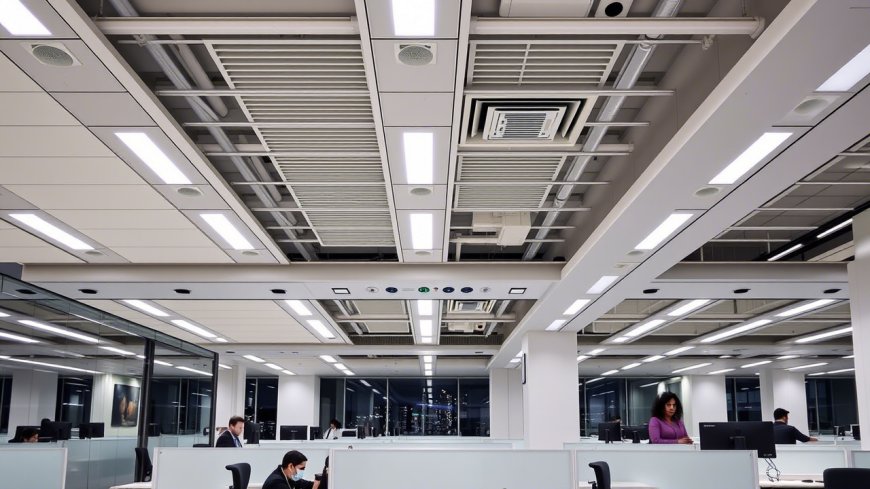
In todays business world, lighting plays a pivotal role not only in enhancing the aesthetic appeal of commercial spaces but also in improving productivity, safety, and energy efficiency. From office buildings to retail outlets, the right commercial lighting can transform a workspace, creating a comfortable and functional environment for employees and customers alike. In this blog, we will explore the significance of Commercial Lights and how businesses can benefit from investing in modern lighting solutions.
The Importance of Commercial Lighting
Lighting is essential for any commercial space, whether it's an office, retail store, or industrial facility. Commercial lights not only brighten up the surroundings but also influence how a space feels and functions. Proper lighting can improve the overall atmosphere, boost employee morale, and enhance customer experience.
For businesses, good lighting has several important benefits:
-
Productivity Boost: Employees perform better in well-lit spaces, as proper lighting reduces eye strain and fatigue.
-
Customer Engagement: The right lighting can highlight products and create an inviting atmosphere in retail stores.
-
Energy Efficiency: Energy-efficient lighting systems, such as LED lights, can significantly reduce electricity bills and environmental impact.
-
Safety: Proper lighting in commercial spaces ensures safety by preventing accidents and improving visibility.
Types of Commercial Lighting
When it comes to commercial lighting, there are several types to choose from, each offering unique advantages based on the nature of the business. Here are the most common types of commercial lights:
1. Ambient Lighting
Ambient lighting is the primary source of light in any commercial space. It provides overall illumination and ensures that the entire space is well-lit. For example, in an office setting, ambient lighting helps employees perform tasks without straining their eyes. Ceiling-mounted fixtures or recessed lights are commonly used for ambient lighting.
2. Task Lighting
Task lighting is focused light used to illuminate specific areas where detailed work is performed. It is essential in environments like offices, workshops, and medical facilities. Desk lamps, under-cabinet lighting, and track lighting are all common examples of task lighting. These lights ensure that employees can perform tasks with precision and comfort.
3. Accent Lighting
Accent lighting is used to highlight certain features in a commercial space, such as artwork, product displays, or architectural details. This type of lighting is typically used in retail stores and showrooms to draw attention to particular areas. Wall-mounted sconces or spotlights are common fixtures for accent lighting.
4. Emergency Lighting
Emergency lighting is crucial for ensuring safety during power outages or emergencies. These lights provide backup illumination in critical areas such as exit routes, stairwells, and emergency exits. It is important for businesses to have well-maintained emergency lighting systems to comply with safety regulations.
Energy-Efficient Lighting Solutions
In the modern business environment, energy efficiency is a top priority. Energy-efficient commercial lighting not only helps businesses reduce their energy consumption but also lowers operational costs. The two most popular energy-efficient lighting solutions are:
1. LED Lighting
LED lights are one of the most energy-efficient lighting options available today. They consume significantly less energy compared to traditional incandescent or fluorescent lights, making them ideal for commercial spaces. LED lights are known for their longevity, as they last longer than other types of bulbs, reducing maintenance costs. Moreover, they emit less heat, which contributes to a cooler and more comfortable working environment.
2. Smart Lighting
Smart lighting systems allow businesses to control their lighting remotely through a smartphone or computer. These systems can be programmed to adjust brightness levels, switch lights on and off at specific times, and even change colors to suit different moods or activities. By using smart lighting, businesses can optimize their energy consumption and create customized lighting schemes that match their needs.
Factors to Consider When Choosing Commercial Lights
When selecting commercial lights, its important to consider several factors to ensure that the lighting meets the needs of the space. Here are some key factors to keep in mind:
-
Brightness: Ensure that the lighting provides adequate brightness for tasks, while not being too harsh or dim. The lighting should be able to illuminate the space effectively without causing glare.
-
Color Temperature: Different color temperatures create different atmospheres. Cool white light is ideal for offices and retail spaces, while warmer lighting may be more appropriate for restaurants or hospitality venues.
-
Energy Consumption: Choose energy-efficient lighting options, such as LED or CFL bulbs, to reduce electricity costs.
-
Durability: Commercial lights should be durable and built to withstand the wear and tear of a business environment. Look for lights that offer longevity and can handle the demands of the space.
-
Design and Style: Consider the overall design and style of the commercial space. The lighting should complement the interior dcor and align with the brand identity of the business.
The Role of Commercial Lighting in Creating a Brand Identity
Lighting can play a significant role in shaping the brand image of a business. The right lighting design can make a business stand out and leave a lasting impression on customers. For example, bright, clean, and sleek lighting might be suitable for a tech companys office, while warm, ambient lighting might suit a cozy caf.
In retail stores, lighting can be used strategically to showcase products and create a particular mood. For instance, dim lighting and spotlights can create a luxurious atmosphere, while bright, vibrant lighting can make products appear fresh and energizing. Commercial lighting, when used creatively, can help establish a unique identity for a business and enhance the customer experience.
Conclusion
Commercial lights are an integral part of any business space, impacting everything from productivity and safety to brand identity. By choosing the right lighting solutions, businesses can create a more efficient, attractive, and functional environment. Whether its energy-efficient LED lights, smart lighting systems, or strategically placed accent lighting, there are endless possibilities to explore. As the lighting industry continues to innovate, commercial lights will play an even greater role in shaping the future of business spaces.
Investing in quality commercial lights is not only a smart business decision but also an important step towards improving the overall functioning of your space. With the right lighting, you can enhance productivity, ensure safety, and create a memorable experience for your employees and customers.