



















Does Paint Protection Film (PPF) Really Work? Pros & Cons
Discover if Paint Protection Film (PPF) is worth it. Explore the pros and cons of PPF to see how it can protect your vehicle’s paint.

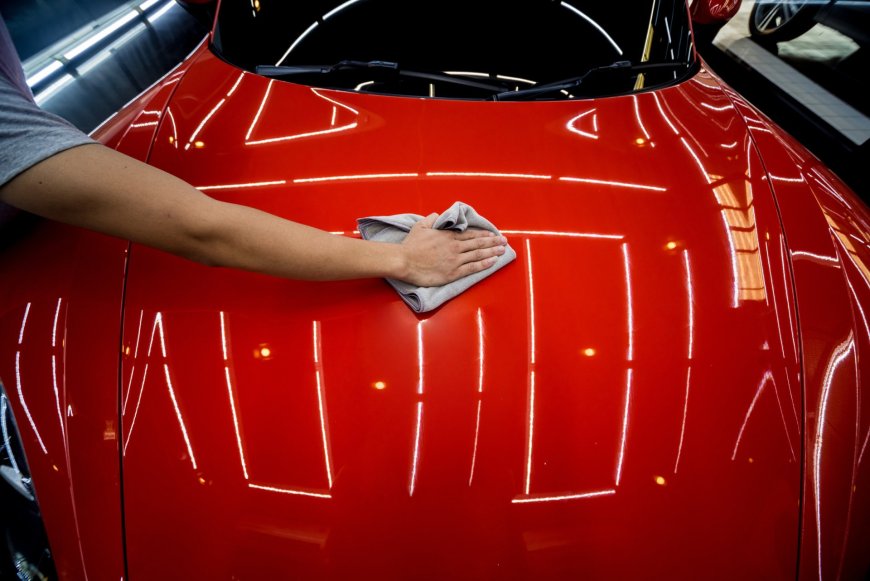
Every car owner wants to maintain their vehicles pristine look, but road debris, weather elements, and daily wear and tear make it challenging. Enter Paint Protection Film (PPF)a transparent, durable layer designed to safeguard your cars paint from scratches, rock chips, and environmental damage. Originally used in military applications, PPF has gained immense popularity among car enthusiasts and everyday drivers alike.
While PPF offers an impressive level of protection, many wonder whether its truly worth the investment. In this guide, well explore the pros and cons of PPF, compare it with other paint protection solutions like self healing ceramic coating and Graphene Coating, and provide expert insights to help you decide if PPF is right for you.
Pros of PPF
1. Protection Against Scratches and Chips
One of the biggest selling points of PPF is its ability to absorb impacts from road debris, effectively preventing paint damage. Whether its small rocks, bug splatter, or minor abrasions, PPF acts as a protective barrier, keeping your paint in top condition.
2. Self-Healing Properties
Many modern PPFs come equipped with self-healing technology, which allows minor scratches and swirl marks to disappear when exposed to heat. Whether from direct sunlight or a heat gun, the film reverts to its original state, keeping your car looking flawless.
3. UV Protection and Paint Preservation
Over time, exposure to UV rays can cause paint to fade and deteriorate. PPF offers UV-resistant properties, helping to maintain your cars original color and preventing oxidation.
4. Ease of Cleaning and Maintenance
PPF provides a hydrophobic surface, meaning water, dirt, and grime slide off easily. This makes car washes more efficient and reduces the need for frequent detailing, saving time and effort.
Cons of PPF
1. Potential for Yellowing or Discoloration
Earlier versions of PPF were known to develop a yellowish tint over time, especially when exposed to excessive UV rays. While modern films have improved significantly, some lower-quality options still suffer from discoloration.
2. High Installation Costs
PPF isnt cheap. Professional installation can range from $1,000 to $7,000, depending on the vehicles size and coverage area. While the upfront cost is high, its a long-term investment that can prevent costly paint repairs down the road.
3. Installation Challenges and Risks
Proper installation requires skill and expertise. A poorly applied PPF may lead to visible seams, bubbles, or peeling over time. Its essential to have the film installed by a certified professional to avoid such issues.
4. Possible Issues with Removal
While PPF is removable, improper removal can sometimes leave behind adhesive residue or even damage the clear coat if not done correctly. This makes it crucial to have the film professionally removed when needed.
Comparison with Other Paint Protection Options
PPF is just one of many ways to protect your vehicles paint. Heres how it stacks up against self healing ceramic coating and Graphene Coating:
|
Feature |
Paint Protection Film (PPF) |
Self Healing Ceramic Coating |
Graphene Coating |
|
Scratch Resistance |
High |
Moderate |
Moderate |
|
Self-Healing |
Yes |
Some formulations |
No |
|
Hydrophobic Properties |
Good |
Excellent |
Excellent |
|
UV Protection |
Yes |
Yes |
Yes |
|
Durability |
5-10 years |
2-5 years |
5-7 years |
|
Application Cost |
$$$$ |
$$ |
$$$ |
While PPF offers superior physical protection, self healing ceramic coating and Graphene Coating excel in providing long-lasting hydrophobic and UV-resistant properties. Some car owners even opt for a hybrid approach, using PPF on high-impact areas (e.g., hood, bumpers) and ceramic coatings on the rest of the vehicle for optimal protection.
Expert Opinions on PPF
Many professional detailers and automotive experts recommend PPF, particularly for high-value vehicles or those frequently exposed to road hazards. According to John Maxwell, a certified PPF installer,
"PPF is the gold standard for impact protection. If youre looking to preserve your cars showroom look, investing in a high-quality film is a smart choice."
Additionally, studies have shown that vehicles with PPF retain their resale value better than those without it, making it a worthwhile consideration for those planning to sell or trade in their cars down the line.
Conclusion: Is PPF Worth It?
So, does PPF really work? Absolutely! It provides unmatched physical protection, self-healing properties, and long-term paint preservation. However, the high cost, potential for discoloration, and installation complexities may not make it the best choice for every car owner.
If you frequently drive on highways or want the ultimate shield against road debris, PPF is a fantastic investment. However, for those prioritizing a balance of protection and affordability, a self healing ceramic coating or Graphene Coating may be a viable alternative.
At the end of the day, the right choice depends on your budget, driving habits, and how much you love your car. And lets be realif youve read this far, you probably care about your car a lot. So whether you go for PPF, ceramic, or graphene, just know that your vehicle is in for some serious VIP treatment!