





















Effective Customer Loyalty Management for Business Growth
This is where customer loyalty management becomes a critical strategy. Effective management of customer loyalty leads to sustained growth, reduced churn, and increased customer lifetime value.

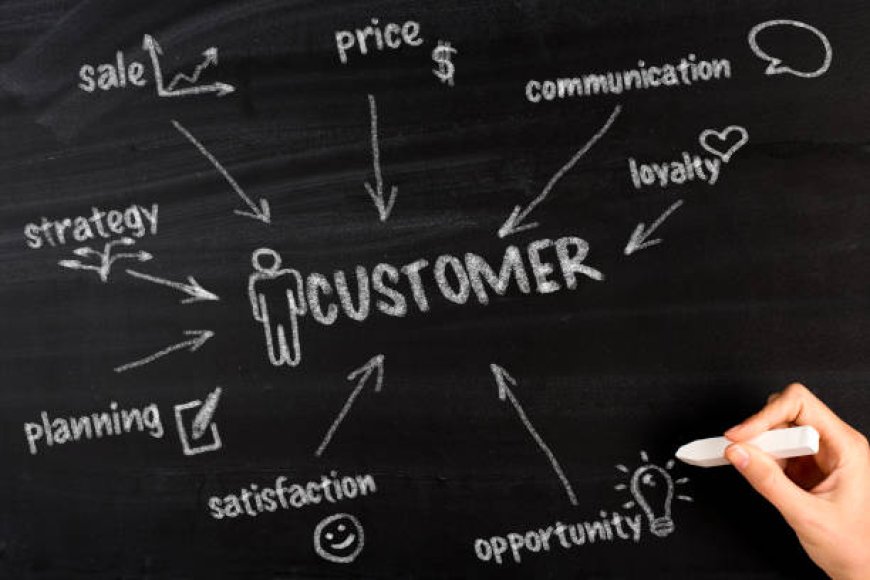
In todays saturated markets, where customers are constantly exposed to new choices and aggressive marketing, businesses must focus not just on customer acquisition but on long-term retention. This is where customer loyalty management becomes a critical strategy. Effective management of customer loyalty leads to sustained growth, reduced churn, and increased customer lifetime value.
Whether youre in retail, hospitality, SaaS, or services, nurturing repeat business through structured loyalty systems is more cost-effective than constantly trying to win new customers. A well-executed customer loyalty strategy can turn one-time buyers into repeat customersand even passionate brand advocates.
What Is Customer Loyalty Management?
Customer loyalty management is the process of identifying, tracking, and rewarding customers to enhance their engagement and encourage repeat business. It goes beyond simple discount cards or punch programs. It encompasses a full set of technologies, analytics, communication strategies, and incentives designed to build trust and improve the overall customer experience.
At its core, loyalty management includes:
-
Gathering and analyzing customer data
-
Creating targeted loyalty programs
-
Offering personalized rewards
-
Measuring loyalty performance metrics
-
Engaging customers across channels (in-store, online, mobile)
The goal is not just to increase purchases, but to create an emotional connection between your brand and the customer.
Why Customer Loyalty Matters for Growth
Businesses that prioritize loyalty enjoy higher retention rates, more referrals, and increased profitability. According to studies, increasing customer retention by just 5% can lead to a 25% to 95% boost in profits. Thats because loyal customers spend more frequently and have a higher average order value.
Here are a few key reasons why customer loyalty management is vital:
-
Reduced Acquisition Costs
Retaining an existing customer is far more cost-effective than acquiring a new one.
-
Increased Customer Lifetime Value (CLV)
Loyal customers tend to spend more over time and become more valuable to your business.
-
Enhanced Word-of-Mouth Marketing
Satisfied customers are more likely to refer others, especially when loyalty rewards are involved.
-
Stronger Brand Advocacy
Loyal customers defend your brand, leave positive reviews, and engage on social media.
With the right strategies in place, you can Improve Customer Loyalty and establish long-term revenue streams that support your business even during economic downturns.
Key Elements of Customer Loyalty Management
Creating a successful loyalty management framework involves more than just handing out rewards. It requires a structured approach combining strategy, technology, and customer insights. Heres what that entails:
1. Customer Segmentation
Different customers have different behaviors and values. Use data analytics to segment customers based on frequency, spending, preferences, and interaction channels.
2. Personalized Rewards
Tailor your loyalty incentives based on individual customer behavior. This could include personalized discounts, birthday rewards, early access to sales, or exclusive event invitations.
3. Omnichannel Integration
Whether your customers shop in-store, online, or via mobile apps, their loyalty experience should be seamless. Omnichannel loyalty ensures a unified brand experience across all touchpoints.
4. Automated Communication
Use email marketing and SMS automation to send timely offers, points updates, and program reminders that keep customers engaged.
5. Real-Time Analytics
Track how customers interact with your loyalty programs in real-time. Use dashboards to measure performance, optimize campaigns, and make data-driven decisions.
Tools and Platforms for Loyalty Management
Several platforms simplify and automate customer loyalty management:
-
Zoho CRM: Offers loyalty tracking integrated with sales and marketing tools.
-
Salesforce Loyalty Management: Designed for enterprise businesses with complex loyalty requirements.
-
LoyaltyLion: Ideal for e-commerce stores, offering plug-and-play integration with platforms like Shopify and BigCommerce.
-
Capillary Technologies: Popular in Asia and India, helps brands create omnichannel loyalty programs.
-
Annex Cloud: Supports engagement-based and referral-driven loyalty strategies.
Choosing the right platform depends on your business type, customer base, and loyalty objectives.
Examples of Brands with Excellent Loyalty Management
Some leading brands are known for executing their loyalty strategies flawlessly:
1. Amazon Prime
More than a loyalty program, Prime offers a subscription-based model with perks like fast shipping, exclusive content, and early access dealsmaking it hard for customers to leave.
2. Sephora Beauty Insider
The program includes tiered rewards, product trials, birthday gifts, and early product accessdriven by real-time customer data.
3. Starbucks Rewards
By using a mobile-first experience, Starbucks collects behavioral data and delivers personalized offers that encourage frequent visits.
These brands demonstrate how investing in customer loyalty management can result in sustained growth and unmatched customer advocacy.
How to Get Started
If you're looking to improve or implement a loyalty program, follow these steps:
-
Audit Your Current Customer Base
Identify who your most loyal customers are and analyze their behavior.
-
Set Clear Objectives
Are you aiming to increase purchase frequency, order value, or referrals?
-
Choose the Right Program Type
Points-based, tiered, cashback, gamifiedselect what best suits your audience.
-
Integrate Technology
Use a loyalty platform that connects with your CRM, e-commerce store, or POS system.
-
Launch and Promote
Ensure your customers know about the program via email, social media, and in-store promotions.
-
Monitor and Refine
Use analytics to understand whats working and make data-backed improvements.
Future Trends in Loyalty Management
As technology and consumer expectations evolve, so will loyalty strategies. Some emerging trends include:
-
AI-Driven Personalization
AI tools will predict customer behavior and deliver hyper-targeted rewards.
-
Sustainability-Focused Loyalty
Customers can earn points for eco-friendly behaviors or donations to social causes.
-
Experience-Based Rewards
Inviting customers to events or offering virtual experiences as part of loyalty initiatives.
-
Blockchain Loyalty Platforms
Secure, transparent, and interoperable points systems powered by blockchain.
Conclusion
In an age where customer attention is fragmented and competition is fierce, effective customer loyalty management is no longer optionalits essential. Businesses that understand the value of nurturing loyal customers will experience more consistent revenue, stronger brand equity, and long-term success.
By combining data-driven insights, smart technology, and personalized engagement, your brand can create meaningful relationships that go far beyond the first sale.