























Frozen Food Bags That Last: Choosing the Right Heavy-Duty Option
Not all frozen food bags are built to survive harsh freezer conditions. This article explores how to choose heavy-duty frozen food packaging that resists tears, moisture, and extreme temperatures. From material selection to bag thickness and barrier protection, learn what features matter most—and how the right choice can boost shelf life, reduce waste, and enhance your brand.
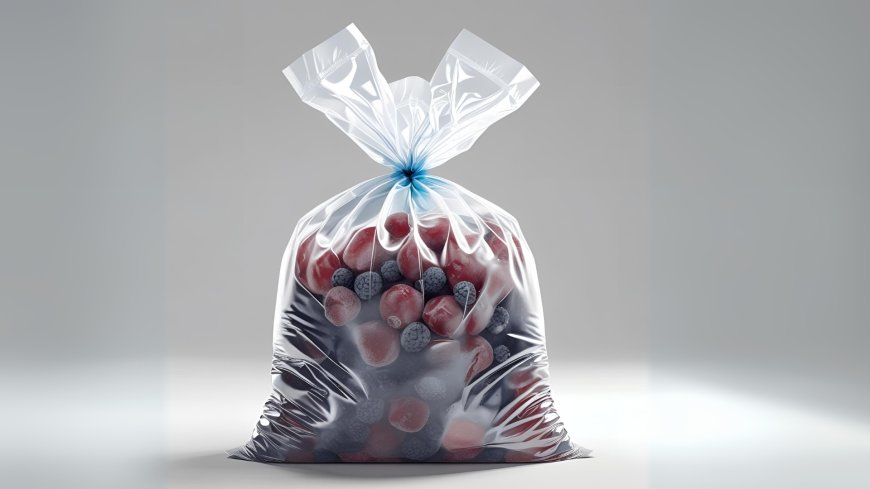
In the world of food packaging, few environments are as harsh and demanding as the freezer. Whether you're storing meat, vegetables, prepared meals, or specialty items, frozen food bags must meet high expectations. They must withstand extreme temperatures, resist punctures and moisture, and ensure food remains safe and fresh from packaging to plate.
For food manufacturers, distributors, and even home meal businesses, choosing the right heavy-duty frozen food bag isnt just a packaging decisionits a matter of quality, safety, and profitability. In this blog, well dive deep into what makes a frozen food bag heavy-duty, explore the different types available, and help you choose the best option for your business needs.
Why Heavy-Duty Matters in Frozen Food Packaging
Freezers present a unique challenge for packaging. The conditionstypically below 0Fcause most materials to become brittle over time. Combine that with stacking, movement during transport, and exposure to moisture or condensation, and you have a recipe for ripped bags, food contamination, and product loss.
Heres why heavy-duty frozen food bags are essential:
-
Temperature Resistance: Regular plastic may crack or degrade when frozen. Heavy-duty bags are engineered to maintain flexibility and durability at freezing temperatures.
-
Moisture Barrier: To prevent freezer burn and spoilage, high-quality bags must block moisture and air.
-
Tear & Puncture Resistance: Bags must be strong enough to resist sharp food edges (like bones or frozen corners) and rough handling during transportation.
-
Compliance with Food Safety Standards: Heavy-duty food bags are made from FDA- and USDA-compliant materials, ensuring your packaging meets health and safety regulations.
Key Features of Durable Frozen Food Bags
Not all frozen food bags are created equal. Look for these essential features when selecting your next batch of packaging:
1. Material Composition
The most common materials for heavy-duty frozen food bags include:
-
Low-Density Polyethylene (LDPE): Offers flexibility, strength, and clarity. Great for moderate freezer applications.
-
High-Density Polyethylene (HDPE): More rigid and cost-effective; ideal for bulk packaging.
-
Nylon Laminates: Provide excellent puncture resistance and superior moisture/oxygen barrier.
-
Polypropylene (PP): Sometimes used in lamination for extra durability and clarity.
-
Co-extruded Films: These are multi-layered plastics that combine the best features of several materials into one structureideal for vacuum sealing and long-term storage.
2. Thickness (Mil Strength)
The thicker the bag, the more protection it offers. Bag thickness is typically measured in mils (1 mil = 0.001 inch).
-
Standard Freezer Bags: 1.5 to 2 mils
-
Heavy-Duty Freezer Bags: 3 to 5+ mils
-
For sharp or heavy contents, opt for 4 mil or more to prevent leaks and tears.
3. Seal Type
-
Heat-Sealed Bags: Require sealing equipment but offer a strong, tamper-evident seal.
-
Zipper-Top Bags: Offer resealability for customer convenience but may not be as secure for long-haul storage.
-
Vacuum-Seal Bags: Used with vacuum machines to remove air and prevent freezer burn, extending shelf life.
4. Barrier Protection
Look for bags with high oxygen and moisture barrier ratings, especially if youre storing high-fat or high-moisture foods. Laminated or coated bags perform best here.
5. Custom Printing & Labeling
For retail frozen foods, custom printed bags not only provide branding but can also include nutrition facts, cooking instructions, and barcodes. Look for durable inks and printing processes that wont smudge or fade in freezing temperatures.
Types of Heavy-Duty Frozen Food Bags
Here are the most common types of frozen food bags that last:
1. Flat Poly Bags
Basic but effective, flat poly bags made from LDPE or HDPE are ideal for manual packing. They come in varying thicknesses and sizes and can be heat-sealed or tied.
Use case: Bulk meat, fish, or produce for food service or industrial use.
2. Zipper Lock Freezer Bags
These resealable bags are perfect for portion-controlled or consumer-facing packaging.
Use case: Pre-portioned meals, frozen snacks, or repackaging leftovers in a home kitchen or meal delivery service.
3. Vacuum-Seal Bags
Used in combination with a vacuum sealing machine, these bags remove air to prevent spoilage and freezer burn.
Use case: Long-term storage of meats, fish, or high-value frozen items like sous-vide meals.
4. Stand-Up Pouches
With their gusseted bottoms, these pouches can stand upright on shelves and allow for excellent visual appeal and brand presentation.
Use case: Frozen fruits, vegetables, or prepared meals sold in retail.
5. Roll Stock Film
For automated filling and sealing machines, roll stock film offers efficiency and customization.
Use case: High-volume packaging lines for frozen entrees, appetizers, or desserts.
How to Choose the Right Bag for Your Needs
Ask yourself the following questions before making your selection:
-
What type of food are you packaging?
Delicate items like pastries may need a lighter bag, while meat with bones needs heavy-duty protection. -
How long will it stay frozen?
Longer storage requires better barrier protection and thicker material. -
Will it be transported over long distances?
The more movement involved, the stronger your bag needs to be to avoid damage. -
Are you targeting retail or food service?
Retail requires custom printing and shelf appeal; food service often focuses on bulk and functionality. -
Do you need resealability?
Convenience features like zippers or sliders may be important for consumer packaging.
Benefits of Choosing the Right Frozen Food Bag
When you invest in high-quality frozen food packaging, you gain several advantages:
-
Improved Food Safety: Prevent cross-contamination and freezer burn.
-
Longer Shelf Life: Keep products fresher for longer, reducing waste and returns.
-
Brand Trust: Clear, clean, and durable packaging reflects professionalism.
-
Operational Efficiency: Reduce damage and leaks during shipping.
-
Compliance: Meet FDA/USDA guidelines with food-safe materials.
Eco-Friendly Options in Frozen Food Bags
With sustainability becoming a major concern, packaging suppliers now offer recyclable and compostable frozen food bag options. While not all eco-materials perform well in freezing temperatures, advancements in bio-based plastics and recyclable PE films are closing the gap.
Look for bags labeled:
-
#2 HDPE recyclable
-
Compostable (ASTM D6400 compliant)
-
Post-consumer recycled content
Just make sure any sustainable option still meets your performance requirements.
Conclusion
Heavy-duty frozen food bags are an essential investment for any food business that depends on cold storage. From strength and flexibility to barrier protection and branding, the right bag can preserve food quality, increase customer satisfaction, and improve your bottom line.
Whether you're a food manufacturer, restaurant supplier, or small frozen meal company, dont cut corners on frozen food packaging. Evaluate your needs, choose the right materials and features, and work with a trusted packaging supplier who understands the challenges of the cold chain.