























Halal Meat Shopping Tips in Japan for Newcomers

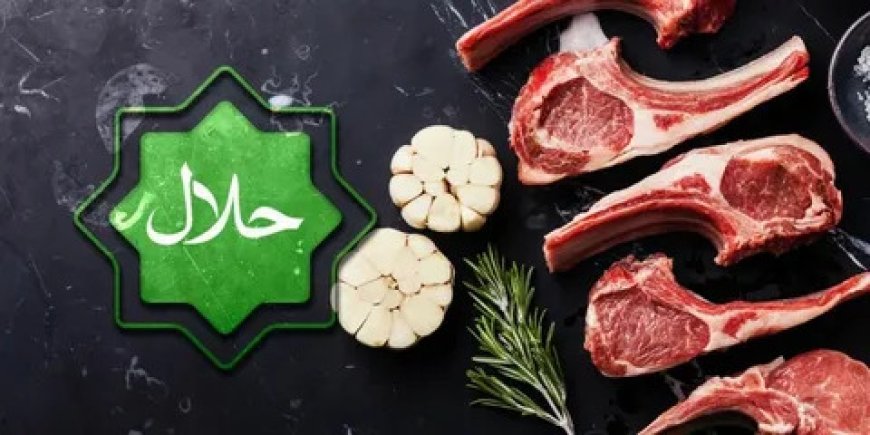
Moving to Japan can be a life-changing experience filled with excitement, challenges, and cultural discovery. For Muslims new to Japan, one of the primary concerns is accessing halal foodparticularly halal meat. The unfamiliar grocery stores, language barriers, and limited availability of Islamic-certified products can make the experience overwhelming. However, with the right information and guidance, shopping for halal meat in Japan becomes manageable and even enjoyable. This guide is crafted specifically for newcomers and aims to provide practical halal meat shopping tips to help you settle into your new life with peace of mind.
Understanding the Halal Meat Landscape in Japan
Japan is not a Muslim-majority country, and the concept of halal meatis still relatively new to many locals. While the halal food industry has been growing in recent years due to an increase in Muslim tourism and foreign residents, halal meat is still not widely available in regular supermarkets. This means that Muslims living in Japan need to be aware of specific stores, certifications, and online platforms where they can find reliable halal meat products.
Learn to Read Product Labels
One of the most important tips for buy halal meat shopping in Japan is learning how to read food labels. Even if a product appears to be halal, such as plain chicken or beef, it might be processed or packaged with non-halal substances like alcohol or animal-derived flavoring. Youll want to look for any mention of gelatin, emulsifiers, or E-numbers that are animal-based. While many product labels are in Japanese, you can use translation apps such as Google Translate to scan and understand the contents. Look out for ingredients like ??? (p?ku, meaning pork) or ? (sake, meaning alcohol), which clearly mark the product as non-halal.
Look for Halal Certifications
Another effective way to ensure youre buying halal meat onlineis to look for official halal certification marks. These certifications are provided by recognized halal authorities, including the Japan Halal Association and Nippon Asia Halal Association. Products that bear these marks have gone through a strict verification process to ensure they meet Islamic dietary laws. Always prioritize items that display these logos when shopping for meat in physical stores or online.
Explore Muslim-Friendly Grocery Stores
In major cities like Tokyo, Osaka, Kyoto, and Nagoya, youll find various ethnic and halal-specialized grocery stores. These shops usually cater to the Muslim, South Asian, and Middle Eastern communities and are more likely to stock halal-certified meat, including chicken, lamb, beef, and even processed items like sausages and kebabs. Common stores include Indo-Pak grocery shops, Turkish or Iranian markets, and Indonesian food stores. These shops not only offer halal meat but also a range of spices, snacks, and ingredients essential for cooking authentic halal meals.
Shop Online for Convenience
If you live outside of Japans major cities or simply prefer the convenience of home delivery, shopping online for halal meat is a reliable option. One of the most trusted online platforms is EmaanHalalFood, which specializes in halal-certified frozen foods and meat products. They offer a wide selection of items that are carefully sourced and certified, making them a dependable choice for Muslim residents across Japan. EmaanHalalFood delivers throughout the country, ensuring that even those in rural areas can enjoy access to halal meat without the stress of traveling long distances.
Join Local Muslim Communities
Networking with other Muslims in Japan can be extremely helpful, especially when youre new. Many Muslim communities, mosques, and student groups actively share tips and resources related to halal food. Joining these groupsboth in person and on social media platformscan connect you to people who have experience and can recommend trusted sources for halal meat. They might also organize group purchases to reduce costs or arrange trips to halal markets.
Visit Halal-Friendly Restaurants for Ideas
In Japans larger cities, halal restaurants are becoming increasingly common. While eating out may not be a daily routine for many, visiting halal-friendly restaurants can give you ideas about where they source their meat. Some restaurants even sell halal meat directly to customers or can point you in the direction of their suppliers. This can open up new opportunities to find fresh halal meat and new recipes to try at home.
Be Cautious at Regular Supermarkets
Its important to be extra cautious when shopping at mainstream Japanese supermarkets. While you may find fresh beef or chicken, most of it is not slaughtered according to Islamic rites. Processed meat products such as sausages, ham, or ready-to-eat meals often contain non-halal ingredients, even if they dont contain pork. In rare cases, you may find international brands offering halal-certified products, but always double-check the label before purchasing.
Stock Up on Frozen Halal Meat
Because halal meat may not be readily available near your residence, buying in bulk and freezing it is a practical tip. Many Muslims in Japan prefer to purchase large quantities of halal meat from reliable online sources like EmaanHalalFood and store it for later use. This reduces the need for frequent shopping trips and ensures that you always have halal meat available for everyday cooking.
Know Your Meat Cuts in Japanese
Learning the Japanese names for different cuts of meat can greatly enhance your shopping experience. Knowing terms like ?? (toriniku for chicken), ?? (gyuuniku for beef), and ?? (you niku for lamb) will help you identify halal meat more efficiently, whether youre shopping online or at a store. This knowledge also helps when speaking with staff who may not be fluent in English but are willing to assist.
Final Thoughts
Halal meat shopping in Japan might initially seem challenging for newcomers, but with a little knowledge and preparation, it becomes significantly easier. Prioritize certified products, explore halal-friendly shops, and leverage online platforms like EmaanHalalFood to meet your dietary needs conveniently and confidently. Surround yourself with a supportive community, stay informed, and dont hesitate to ask questions when in doubt. Your journey in Japan as a Muslim can be both fulfilling and stress-free with the right approach to halal living.