
























Telehealth Software Development in Saudi Arabia : What Doctors Must Know
Want to build telehealth apps in Saudi Arabia? Learn what every doctor must know to succeed and serve patients better. Find out how.
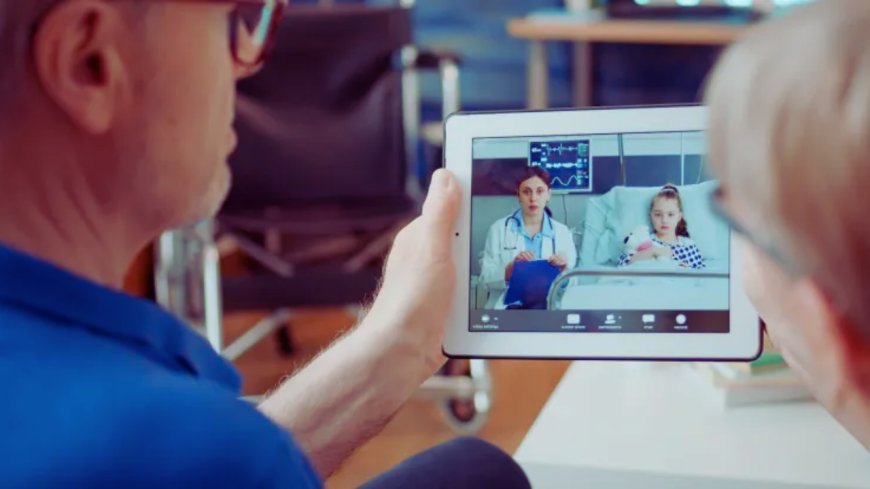
Healthcare in Saudi Arabia is undergoing a monumental transformation, and at the heart of this change is the rise of digital tools that bring patients and providers closer than ever before. One of the most impactful developments is the adoption of telehealth software, which is redefining how doctors deliver care across the Kingdom. In 2025, telemedicine app development is more than a technological trend; it's an essential component of modern healthcare delivery.
Saudi Arabia's Vision 2030 places strong emphasis on digital health, and the Ministry of Health is accelerating its initiatives to support virtual care. According to the Saudi Health Council, over 60% of consultations in public health facilities are expected to be conducted via telehealth apps by the end of 2025. This surge in adoption is being driven by tech-savvy patients, government backing, and clinicians seeking more flexible, efficient ways to manage growing workloads.
For doctors in Saudi Arabia, understanding the nuances oftelehealth software developmentis no longer optional. From selecting the right features to complying with health data regulations and ensuring clinical accuracy, this guide explores everything physicians need to know about embracing telehealth in 2025 and beyond.
The Current State of Telehealth in Saudi Arabia
A Surge in Virtual Consultations
The post-pandemic period has seen exponential growth in virtual consultations across Saudi hospitals and private clinics. Driven by patient demand for convenience, doctors are using telehealth apps to deliver safe, remote care for a wide range of specialtiesfrom general practice and pediatrics to dermatology and psychiatry.
Telehealth is no longer limited to basic video calls. Todays solutions include appointment scheduling, AI-powered symptom checkers, real-time diagnostics, and integrations with lab and imaging centers. In remote areas such as Najran or Al-Jouf, telemedicine app development is bridging gaps in access to quality care and specialist expertise.
The result? Higher patient satisfaction, reduced clinical burnout, and better care outcomes.
Regulatory Landscape and Compliance Essentials
Saudi Arabia has made substantial progress in establishing a regulatory environment that supports digital healthcare. The Saudi Food and Drug Authority (SFDA), in collaboration with the Ministry of Health, has defined strict standards for telehealth services, including guidelines on e-prescriptions, health data security, and physician licensing.
Doctors using telehealth apps must ensure the platform complies with local laws regarding patient consent, record retention, and secure data transmission. Platforms must also be hosted on local servers to comply with data sovereignty requirements. Working with experienced telemedicine app development companies ensures that your digital solution adheres to all required protocols and maintains patient trust.
What Features Should Doctors Look for in a Telehealth Platform?
High-Quality Video and Audio with Medical Enhancements
Video and audio quality can make or break a virtual consultation. In 2025, leading telehealth apps are equipped with HD streaming, adaptive bandwidth control, and real-time noise suppression to simulate in-clinic interaction. For doctors, features like image annotation, screen sharing (for radiology reports or lab results), and session recording are essential tools that enhance diagnostic accuracy.
Additionally, many platforms now offer dermatology-grade image uploads, live patient vitals display, and integrated stethoscope support. These enhancements make it easier for doctors to conduct meaningful assessments, even remotely.
Electronic Health Record (EHR) Integration
Atelemedicine appmust seamlessly sync with your clinic or hospitals EHR system. This enables automatic retrieval of patient records, medication history, allergies, lab reports, and previous visit notes. It also allows for real-time documentation during consultations, eliminating duplication of effort and reducing errors.
EHR integration is a critical requirement for continuity of care. Doctors can ensure that every remote consultation is as well-documented and actionable as in-person visits. It also allows for better team collaboration when multiple specialists are involved in a patients care plan.
Smart Appointment Scheduling and Patient Management
Telehealth should simplify a doctors daynot complicate it. Look for platforms with intelligent scheduling that manages patient flow, adjusts for no-shows, and reduces idle time. Patients can select preferred time slots, receive automatic reminders, and upload relevant documents ahead of time.
Modern telehealth apps also include digital intake forms, automated triage systems, and role-based dashboards for support staff. For busy clinics, this translates to reduced admin overhead and more time spent on clinical tasks.
E-Prescription and Lab Integration
Doctors need a telemedicine app that allows quick generation of digital prescriptions post-consultation. E-prescriptions should be formatted according to SFDA regulations and sent directly to the patients preferred pharmacy. Some apps now also support dosage customization, refill tracking, and adverse drug interaction alerts.
Integration with lab systems allows doctors to order tests and receive results within the same platform. In-app notifications ensure that doctors and patients are promptly informed of critical lab values or imaging findings, enabling faster decision-making.
AI-Powered Clinical Assistants
Artificial intelligence is redefining physician productivity. AI assistants embedded within telehealth apps can summarize patient records, suggest possible diagnoses, highlight risk factors, and even generate SOAP notes post-consultation.
For example, a doctor treating a diabetic patient can receive alerts on elevated glucose trends, recommendations based on national treatment guidelines, and reminders to screen for complications. These tools enhance clinical decision-making and reduce the time spent on documentation.
Key Benefits of Telehealth for Doctors in Saudi Arabia
Expanded Reach and Patient Base
Doctors in major cities like Riyadh and Jeddah are now able to treat patients in smaller towns or even other GCC countries using telehealth apps. This has expanded their practice footprint and improved access to specialized care in underserved regions.
A cardiologist in Riyadh, for example, can now monitor patients in Tabuk without requiring them to travel. This not only increases patient volume but also fosters long-term doctor-patient relationships. In a country as geographically diverse as Saudi Arabia, this reach is transformative.
Improved Work-Life Balance
One of the biggest drivers behind the adoption oftelemedicine app developmentis the flexibility it offers to doctors. With virtual care, physicians can manage patient loads from home, work across multiple clinics, or extend their consultation hours without physical strain.
Doctors are reporting less burnout, improved mental health, and higher job satisfaction. With telehealth, physicians regain control over their time while continuing to deliver exceptional care.
Data-Driven Insights for Better Clinical Outcomes
Digital platforms offer analytics dashboards that track key performance indicators such as consultation durations, diagnosis accuracy, follow-up adherence, and treatment outcomes. This data can help doctors identify areas for improvement, monitor clinical success, and make evidence-based changes to care delivery.
Some telehealth apps even offer predictive analytics, helping doctors spot early signs of patient deterioration. These tools enable proactive care and demonstrate measurable value in terms of both health outcomes and operational efficiency.
Addressing Concerns and Challenges in Telehealth Adoption
Digital Trust and Patient Engagement
Some doctors worry about the loss of human touch in virtual care. However, with the right communication strategies and app design, trust can be built even through a screen. Doctors should use apps that offer personalized interactions, empathy-driven chatbots, and post-visit follow-ups to enhance the digital experience.
Patient education is equally important. Platforms must provide explainer videos, FAQs, and onboarding support to help patients navigate the digital environment with confidence.
Technology Learning Curve
Not all doctors are tech-savvy, and adapting to new software can be intimidating. Leadingtelemedicine app developmentcompanies now offer comprehensive onboarding, simulation-based training, and 24/7 tech support to help clinicians adopt digital workflows smoothly.
The user interface must be intuitive, mobile-friendly, and customizable based on the specialty. Minimal learning time and maximum usability are key to adoption success.
Legal, Ethical, and Cultural Considerations
Saudi Arabia has specific cultural expectations when it comes to privacy, gender sensitivity, and medical ethics. Telehealth platforms must accommodate features like gender-specific doctor selection, Arabic-language support, and secure consent documentation.
Doctors must also ensure they are licensed to provide virtual care in the regions they serve and understand the legal limitations of tele-diagnosis versus physical examination. Partnering with developers familiar with the local regulatory environment is crucial.
Choosing the Right Telehealth Software Partner
Experience in Healthcare Technology
Doctors should collaborate with vendors who have proven expertise in healthcare software. The chosen partner must understand medical terminologies, clinical workflows, and regulatory nuances in Saudi Arabia.
Experienced telemedicine app development firms like SISGAIN offer end-to-end solutions tailored to hospitals, polyclinics, and individual practices. From backend architecture to frontend UX design, they ensure clinical needs are at the core of the product.
Customizability and Scalability
Every clinic or hospital has different workflows. A goodtelehealth appshould be customizable to meet specific needs such as pediatric care, mental health therapy, chronic disease management, or surgical follow-ups. It should also be scalable to accommodate future expansion, new specialties, or increased patient volumes.
Doctors must ask whether the platform supports APIs, third-party integrations, modular upgrades, and multilingual support. These features future-proof the investment.
Compliance and Security Credentials
Security certifications such as ISO 27001, HIPAA compliance, and SFDA approval are non-negotiable. Doctors must demand full transparency on data hosting, breach protocols, and encryption measures. Partnering with developers who prioritize cybersecurity ensures patient trust and regulatory safety.
Conclusion: Doctors Hold the Key to Telehealth Success in 2025
Saudi Arabia is leading the Middle East in healthcare innovation, and doctors are at the forefront of this transformation. Telehealth software development is enabling clinicians to provide more flexible, efficient, and accessible care across the Kingdom. Whether you run a private clinic, consult for a hospital group, or specialize in a niche field, embracing telemedicine app development is essential for staying relevant in 2025.
With the right tools, the right partners, and the right mindset, doctors can deliver high-quality care through virtual platforms that are as personal, effective, and trustworthy as face-to-face visits. The time to invest in telehealth is nownot just for operational success, but for the betterment of patient care across Saudi Arabia.
Get A Free Demo Now :-https://sisgain.ae/telemedicine
Contact Information
Email :-hello@sisgain.ae
Phone No :- +971-56-848-5757
HeadQuarter:- DUQE FREEZONE Quarter Deck, Queen Elizabeth 2, Mina Rashid, Dubai, UAE