























The Future of Partner Support: AI-Enhanced Customer Service in Business Central Ecosystems
For organizations using Microsoft Dynamics 365 Business Central, this shift represents both a challenge and an opportunity — particularly for Microsoft Dynamics Business Central Partners who are at the frontline of customer support and system success.

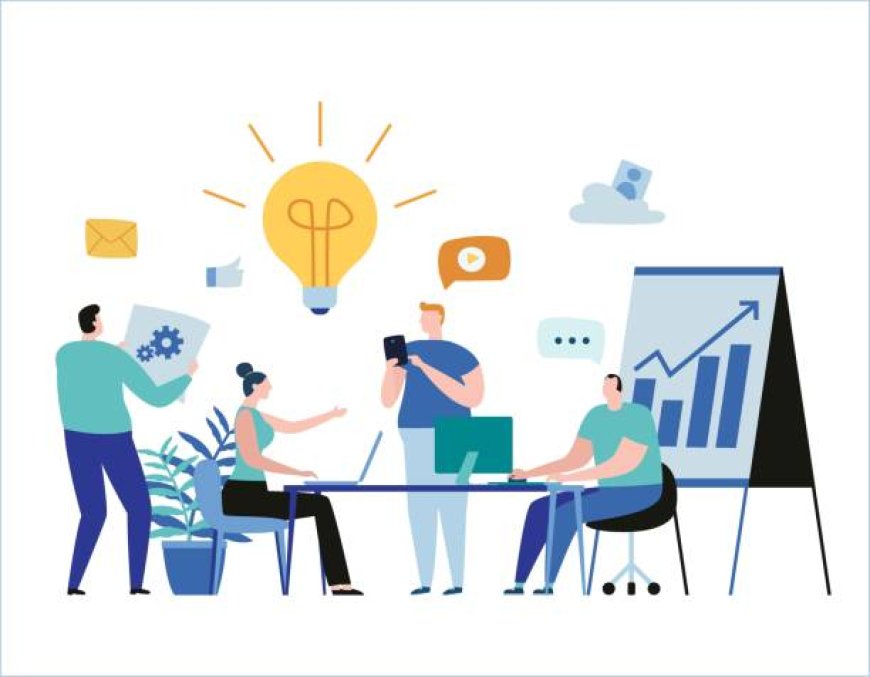
As businesses accelerate their digital transformation, the expectations for enterprise software support are evolving rapidly. Traditional help desk models are no longer sufficient in todays always-on, data-driven business world. Customers demand proactive service, real-time solutions, and personalized engagement. For organizations using Microsoft Dynamics 365 Business Central, this shift represents both a challenge and an opportunity particularly for Microsoft Dynamics Business Central Partners who are at the frontline of customer support and system success.
With the emergence of artificial intelligence (AI) and machine learning (ML), the future of partner support is being redefined. AI-enhanced customer service within the Business Central ecosystem is not just a futuristic vision; it is a current reality driving increased efficiency, user satisfaction, and partner value.
The Changing Landscape of ERP Support
Historically, ERP support especially in cloud-based environments like Business Central revolved around ticketing systems, reactive troubleshooting, and human-led interventions. These methods, while functional, are labor-intensive and often fail to meet the expectations of modern, fast-paced businesses.
Todays Business Central users expect:
-
24/7 availability
-
Self-service options
-
Real-time resolution
-
Contextual, intelligent help
-
Proactive insights on system performance and anomalies
These expectations are reshaping how Microsoft Dynamics Business Central partners approach customer support. AI is becoming a transformative enabler in this shift.
How AI is Transforming Business Central Partner Support
Lets explore the major ways AI is revolutionizing customer service in the Business Central partner ecosystem.
1. Intelligent Virtual Agents and Chatbots
AI-powered virtual assistants are among the most visible applications transforming partner-led support. These bots can handle thousands of inquiries simultaneously, providing instant responses to common issues like:
-
How do I set up a new chart of accounts?
-
Why is my invoice batch not posting?
-
Where can I check inventory availability?
By integrating directly with Business Central, these bots can pull real-time data and offer contextual guidance all without involving a human agent. This reduces wait times and improves user satisfaction.
Some Microsoft Dynamics Business Central partners are already customizing bots using Azure Bot Services, embedding domain-specific knowledge and workflows to handle partner-specific customer environments more effectively.
2. Predictive Issue Resolution
AI isnt just reactive its proactive. Using historical ticket data and usage logs, machine learning algorithms can identify recurring patterns that may lead to support issues. For example:
-
Excessive posting errors in journals
-
Frequent timeouts in cloud-based integrations
-
Inconsistent inventory reconciliation
These issues can be flagged before they occur, with automated suggestions sent to users or admins. This predictive capability reduces downtime and builds trust in the system and its support ecosystem.
3. Natural Language Processing (NLP) for Knowledge Base Discovery
Traditional knowledge bases are vast but underutilized. AI leverages NLP to allow users to query documentation conversationally. For example:
A user types:
How do I create a purchase return order for defective items?
Instead of scanning hundreds of articles, the system uses NLP to understand the context and deliver the most relevant answer or guide. This empowers end-users and reduces the burden on support agents.
4. Smart Ticket Classification and Routing
When human intervention is necessary, AI still improves the process. Smart ticketing systems use AI to automatically categorize, prioritize, and assign support requests to the right expert reducing handling time.
For example:
-
Financial issues are routed to consultants with finance expertise
-
Integration bugs go to the dev support team
-
High-priority errors (like service outages) are escalated automatically
Microsoft Dynamics Business Central partners who adopt such systems demonstrate higher service-level agreement (SLA) performance and customer retention.
5. AI-Driven Personalization and Customer Insights
Partners who use AI to personalize customer interactions can deliver a far superior experience. AI tools can analyze a customers usage behavior, past support history, industry vertical, and license structure to:
-
Suggest relevant feature enhancements
-
Offer training modules based on gaps in usage
-
Send health reports or optimization suggestions
This hyper-personalized approach strengthens the relationship between partners and clients, positioning support not just as reactive but as consultative and strategic.
Benefits for Microsoft Dynamics Business Central Partners
The integration of AI in customer service is not just beneficial for clients its a game-changer for Microsoft Dynamics Business Central partners as well.
1. Operational Efficiency
AI tools significantly reduce the manual workload of support teams. Chatbots, predictive diagnostics, and automated ticketing mean fewer hours spent on repetitive tasks allowing support teams to focus on higher-value activities.
2. Scalability
With AI, partners can support a growing customer base without proportionally expanding their workforce. This is especially critical for Business Central partners working with SMB clients, where margins and resource constraints are tight.
3. Service Differentiation
In a competitive partner landscape, offering AI-enhanced support becomes a unique selling proposition. Clients are more likely to choose partners who demonstrate innovation and offer smarter, faster, and more accessible support channels.
4. Customer Retention
Clients who receive fast and effective support are more likely to stay loyal. AI-driven insights also help partners anticipate client needs and reduce churn through proactive service.
Real-World Example: AI in Action for a Business Central Partner
A leading Microsoft Dynamics Business Central partner in the U.S. recently implemented a virtual assistant named FinBot for its SMB clients. FinBot could answer over 80 financial and inventory-related queries, track support tickets, and escalate issues when needed. The result?
-
40% reduction in support email volume
-
35% faster resolution of tier-1 issues
-
25% increase in customer satisfaction scores
-
Shorter onboarding time for new clients
This success story highlights the tangible impact AI-enhanced support can have on partner performance and customer experience.
Preparing for the AI-Powered Future
To embrace AI in customer service, Microsoft Dynamics Business Central partners should consider the following steps:
-
Assess Readiness: Audit current support workflows and identify high-volume repetitive tasks ripe for automation.
-
Invest in the Right Tools: Leverage Microsoft Azures cognitive services, Power Virtual Agents, and Dynamics 365 Customer Service modules.
-
Train Your Team: Ensure your support staff understand how to work alongside AI interpreting its recommendations, managing escalations, and feeding data back into training loops.
-
Prioritize Data Governance: Since AI relies heavily on data, maintaining data quality, security, and compliance is essential.
-
Start Small and Scale: Begin with a pilot chatbot or predictive maintenance module, monitor outcomes, and iterate before full-scale deployment.
The Future Is Now
AI-enhanced customer service is no longer optional it's essential for modern support ecosystems. For Microsoft Dynamics Business Central partners, integrating AI into their service models represents a strategic imperative that will define their competitiveness, scalability, and long-term success.
Partners who adopt AI not only streamline operations but also deepen client relationships, reduce churn, and unlock new revenue opportunities. As the Business Central ecosystem continues to grow and evolve, those who lead with intelligent support solutions will shape the future of ERP success.