























Cultivate Smarter – How Soil Application Enhances Root Strength and Retention
Soil application strengthens root systems, improves nutrient absorption, and boosts crop resilience. This technique enhances water retention and long-term soil health, leading to better yields. Smarter cultivation starts with feeding the roots right.

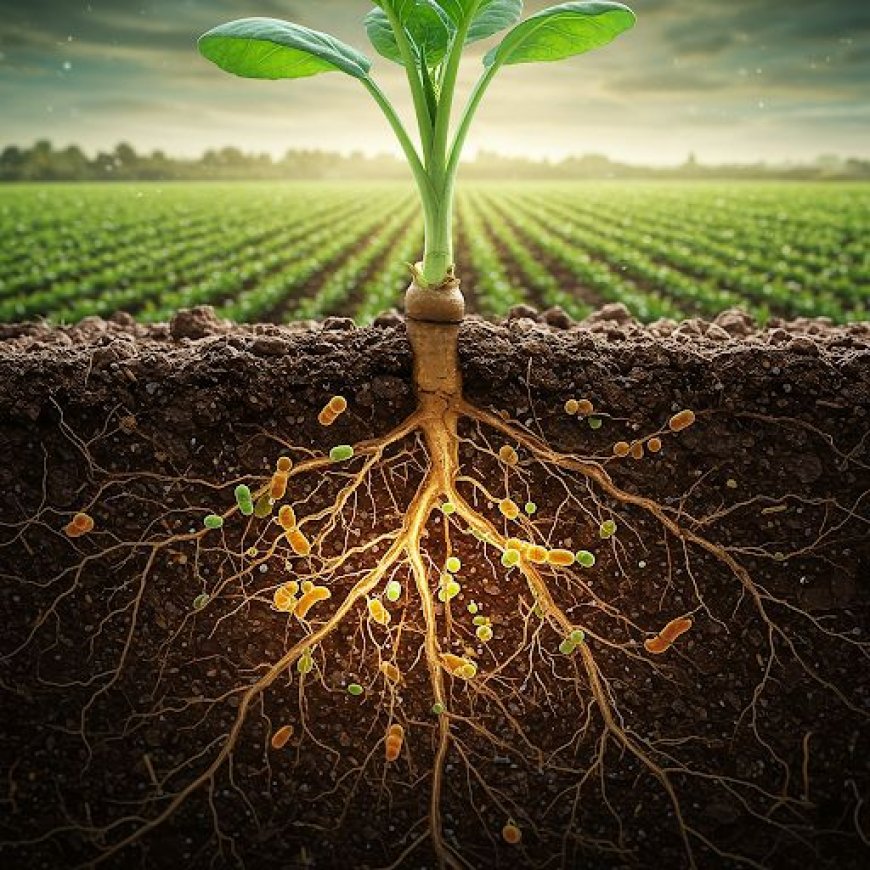
Strong roots make strong crops. Thats not just a farming adageits the core of sustainable crop productivity. And at the heart of strong roots lies a practice thats gaining momentum for all the right reasons: soil application. As agriculture advances and farmers aim to get the most out of every inch of land, smarter techniques like soil application are shifting from optional to essential.
Whether youre a Kisan working a family land passed through generations or someone managing a commercial-scale operation, understanding how soil application transforms root health is a game-changer. With platforms like the Agribegri app, farmers can now easily access quality inputs and expert advice right from their phones, eliminating the guesswork. This blend of tech and technique is where the future of crop management lies.
Understanding Soil Application: More Than Just Fertilizer
Soil application refers to the process of directly applying nutrients, bio-stimulants, or amendments to the soil rather than spraying them on leaves. It ensures that nutrients are absorbed right where they matter mostthe root zone.
This method increases nutrient efficiency and minimizes runoff or evaporation losses. Its not just about giving crops food; its about feeding the soil ecosystem that supports long-term crop vitality.
-
Direct nutrient absorption increases root biomass and stability.
-
Improves water retention capacity, especially in dry seasons
The right kind of soil application at the right time dramatically improves root depth, strength, and resilience. Thats vital during sowing and the critical early growth stages.
The Science Behind Stronger Roots
Roots arent just anchorstheyre nutrient highways, moisture regulators, and defenders against stress. When you enhance soil health, youre directly impacting these root functions. With soil application, key micronutrients and organic substances reach the rhizosphere (root zone) efficiently.
Root hairs, which are microscopic extensions of the main root, grow more densely and penetrate deeper when the soil is well-balanced in nutrients. This improves nutrient uptake and enhances plant immunity against disease and climatic stress.
According to recent agricultural studies, crops with improved root structures show up to 28% higher retention during adverse weather and 19% improved yields in nutrient-deficient soils.
Practical Soil Application: How, When, and What to Use
Application methods vary by crop type, season, and soil condition. The most common techniques include:
-
Basal application during sowing
-
Top dressing during active crop growth
-
Drip irrigation infusion for consistent delivery in high-value crops
Choosing the right product is crucial. Lets explore four widely used soil application products that offer real-world benefits:
1. Neem Cake Powder
What it is: Made from cold-pressed neem tree seeds
Where to use: All crop types, especially vegetables and legumes
How to use: Apply 100200 kg per acre before or during sowing
Why it works: It acts as a natural fertilizer and pesticide. It improves microbial activity in the soil while repelling harmful nematodes and insects. Neem cake is especially useful in pest-prone regions and offers a slow-release nitrogen source that benefits crops throughout their growth cycle.
2. Humic Acid Granules
What it is: Derived from decomposed organic matter, rich in carbon compounds
Where to use: Cereal crops, cotton, and horticulture
How to use: Mix 1015 kg per acre with other fertilizers or apply directly to moist soil
Why it works: Humic acid improves soil structure, increases water retention, and enhances nutrient absorption. It stimulates microbial life in the soil, which, in turn, boosts root elongation and branching. Its beneficial in sandy or over-farmed soils.
3. Zinc Sulphate Monohydrate
What it is: A zinc-based micronutrient supplement
Where to use: Pulses, cereals, and oilseed crops
How to use: Apply 1025 kg per acre, depending on crop needs
Why it works: Zinc is essential for root development and enzyme function. Deficiency leads to stunted growth and poor productivity. Soil application ensures that the roots absorb it directly, improving plant metabolism and increasing grain filling.
4. Mycorrhiza Bio-Fertilizer
What it is: A living soil amendment containing beneficial fungi
Where to use: Especially effective in vegetables, sugarcane, and fruit orchards
How to use: Mix with compost or apply near root zones during planting
Why it works: Mycorrhizal fungi form a symbiotic relationship with roots, extending their network to absorb more nutrients and water. Its like giving your crops an underground booster system. This significantly increases resilience to drought and salinity.
Soil Health and Retention: The Long-Term Payoff
Healthy roots dont just hold the plant; they hold the land. In erosion-prone areas, soil application plays a quiet but powerful role in stabilizing the ground. Roots thickened through better nutrition create a more cohesive soil structure that resists wind and water erosion.
Crop rotation combined with well-timed soil application helps improve organic carbon levels, leading to what many soil scientists now call regenerative rooting. That means the roots dont just survivethey regenerate and thrive year after year.
The nation that destroys its soil destroys itself. Franklin D. Roosevelt.
Even in modern, mechanized farming, this quote resonates. Without root stability, no amount of surface-level treatments will lead to lasting productivity.
From Smart Soil to Smart Yields
When soil gets the right attention, the results go far beyond root strength. Farmers report:
-
Up to 23% higher seedling survival rate during transplant
-
Noticeably stronger stem development and drought tolerance
-
Reduced dependency on foliar sprays or rescue treatments
Moreover, with stronger root systems, crops are better at nutrient scavenging and water efficiency. That means you get more out of each drop of water and gram of inputcritical for sustainable farming in water-stressed regions.
Rooted in Results
Root systems arent just underground; theyre underappreciated. Soil application brings them to the forefront of crop management where they belong. As farmers seek smarter strategies for higher returns, stronger roots provide the foundationliterally and figuratively.
The next time you're at your farm shop or browsing for solutions, think underground first. Whether you're prepping for sowing or recovering from a tough season, soil application might just be the difference between another average harvest and a breakthrough one.
Because cultivating smarter isnt about doing more, its about doing what matters mostand that starts with the soil beneath your feet.