























Lipid Profile Test: Understanding Cholesterol, Triglycerides, and Heart Health
The lipid profile test measures cholesterol and triglycerides to assess heart health, detect risks, and guide treatment for cardiovascular conditions.

What Is a Lipid Profile Test?
Why Its Done
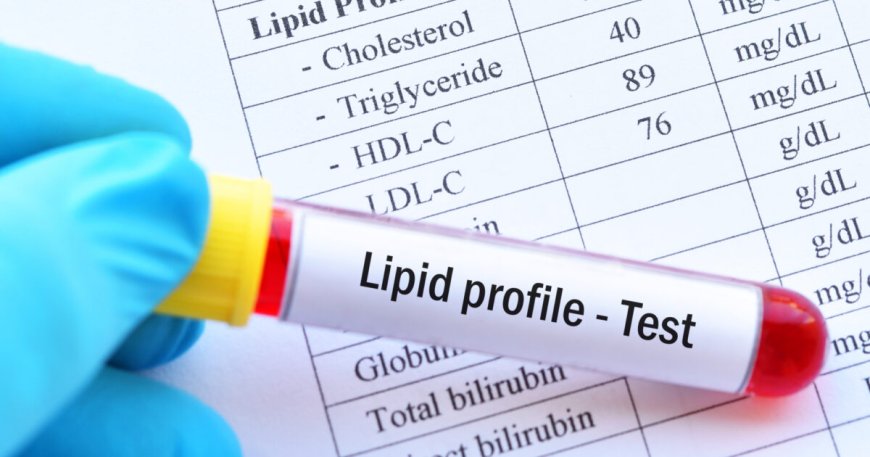
A lipid profile test is a blood test that checks your cholesterol and triglyceride levels to assess your risk of cardiovascular diseases. Its often part of a routine health checkup and helps catch early signs of heart troubleeven before symptoms appear.
The Role in Preventive Healthcare
Think of the lipid profile as your hearts report card. It helps doctors:
- Identify plaque buildup risk
- Monitor effects of lifestyle changes or medications
- Catch inherited disorders early
What the Lipid Profile Measures
Total Cholesterol
This is the sum of all types of cholesterol in your blood. While it provides a general picture, it doesnt tell the full story without breaking down the components.
LDL (Bad Cholesterol)
Low-Density Lipoprotein (LDL) is often labeled the bad cholesterol because it sticks to artery walls, leading to blockages. High LDL levels increase your risk of heart attack and stroke.
HDL (Good Cholesterol)
High-Density Lipoprotein (HDL) works like a cleanerit helps remove excess cholesterol from your bloodstream. Higher HDL levels = lower risk.
Triglycerides
Triglycerides are a type of fat stored in your body. High levels often result from:
- Poor diet
- Obesity
- Diabetes
Theyre linked with a higher chance of artery hardening.
VLDL and Non-HDL Cholesterol
VLDL (Very Low-Density Lipoprotein) carries triglycerides and contributes to plaque. Non-HDL cholesterol includes all bad cholesterol types and is now considered a stronger predictor of heart disease than LDL alone.
When Should You Get a Lipid Profile Test?
Routine Screening Guidelines
- Adults 20+ years: Every 46 years
- More frequent if you have risk factors like obesity, diabetes, or family history
High-Risk Individuals
You may need more frequent tests if you:
- Smoke
- Have high blood pressure
- Are overweight
- Have a sedentary lifestyle
How to Prepare for the Test
Fasting vs Non-Fasting
Most tests today dont require fasting, but some doctors still prefer fasting for triglyceride accuracy. Confirm with your provider.
Medications and Diet Effects
Let your doctor know if youre taking:
- Statins
- Omega-3 supplements
- Blood pressure meds
Avoid high-fat meals or alcohol for 24 hours before the test for best accuracy.
Normal Lipid Level Ranges
Adult Men and Women
|
Component |
Normal Range |
|
Total Cholesterol |
< 200 mg/dL |
|
LDL |
< 100 mg/dL |
|
HDL |
> 40 mg/dL (men), > 50 mg/dL (women) |
|
Triglycerides |
< 150 mg/dL |
Age-Specific Guidelines
Children and teens have slightly different thresholds, and seniors may be managed differently depending on other health conditions.
What Abnormal Results Could Mean
High Cholesterol
This may be due to:
- Poor diet
- Lack of exercise
- Genetics
Untreated, it increases risk of coronary artery disease.
High Triglycerides
Often triggered by:
- Excess sugar or alcohol
- Uncontrolled diabetes
- Liver disease
Low HDL Levels
Low HDL means your body has less capacity to clean up excess cholesterol, increasing your heart disease risk.
How Lipids Affect Heart Health
Atherosclerosis Explained
When bad cholesterol sticks to artery walls, it leads to plaque buildupa condition known as atherosclerosis. Over time, this narrows arteries and restricts blood flow.
Risk of Heart Attack and Stroke
If a plaque ruptures, it can block an artery entirely, causing a heart attack or stroke. This is why managing cholesterol is a life-saving decision.
Lifestyle Factors That Influence Lipid Levels
Diet and Nutrition
- Cut saturated fats (like butter and red meat)
- Avoid trans fats
- Add omega-3 fatty acids (like salmon and flaxseed)
- Eat more fiber
Exercise and Weight Management
30 minutes of moderate exercise most days of the week can:
- Lower LDL
- Raise HDL
- Improve triglyceride levels
Smoking and Alcohol Consumption
Smoking lowers HDL and damages blood vessels. Excess alcohol spikes triglycerides.
Role of Genetics in Cholesterol Levels
Familial Hypercholesterolemia
This inherited condition leads to dangerously high LDL levels regardless of lifestyle. It often requires medication from a young age.
When Family History Matters
If a close relative had a heart attack or stroke before age 55 (men) or 65 (women), your doctor may order earlier and more frequent lipid checks.
How Doctors Use the Results
Risk Calculators and Treatment Decisions
Using your lipid numbers, doctors can calculate your 10-year and lifetime heart disease risk. This helps decide if you need:
- Lifestyle changes only
- Medications like statins
- Further tests (like calcium scoring)
Monitoring Over Time
Lipid tests are not one and done. They help track improvements or adjust treatment based on your progress.
Treatment Options for High Lipid Levels
Statins and Other Medications
Statins are the go-to option for lowering LDL. Others include:
- Ezetimibe
- PCSK9 inhibitors
- Niacin
Natural and Lifestyle-Based Remedies
- Plant sterols and stanols
- Soluble fiber (like oats and beans)
- Weight loss and consistent exercise
Importance of Follow-Up Testing
Keeping Track of Progress
Doctors may recheck lipids every 36 months if youre:
- On medication
- Changing your diet
- At high cardiovascular risk
Adjusting Treatment Plans
If results dont improve, doctors might:
- Change your dosage
- Switch medications
- Recommend additional lifestyle changes
Lipid Profile and Diabetes
Why Diabetics Need Regular Checks
Diabetes often causes high triglycerides and low HDL, increasing heart disease risk.
Metabolic Syndrome Connections
A combination of:
- High waist circumference
- High blood sugar
- Abnormal cholesterol
signals metabolic syndrome, which raises the risk of heart disease and stroke.
Common Myths About Cholesterol
Eggs and Dietary Cholesterol
Eggs dont raise blood cholesterol significantly for most people. Saturated fat and sugar are bigger culprits.
"Skinny Means Healthy"
Thin people can still have high cholesterol. Its about whats inside, not just whats outside.
Innovations in Lipid Testing
Advanced Lipoprotein Testing
Beyond basic lipid panels, doctors now use particle size tests and ApoB testing to get deeper insights into cardiovascular risk.
AI and Predictive Heart Risk Tools
Some clinics use AI-based software to combine lipid data, family history, and lifestyle factors to predict future heart disease with more accuracy.
FAQs on Lipid Profile Testing
- Do I need to fast before a lipid test?
Often no, but check with your doctorespecially for triglycerides. - Can children get lipid tests?
Yes, especially if they have risk factors or family history. - How often should I test my cholesterol?
Every 46 years, or more if youre high risk or on treatment. - Whats the best time of day to take the test?
Morning is common, especially if fasting is needed. - Can I lower cholesterol naturally?
Yes, through diet, exercise, and weight losssometimes as effectively as medication.
Final Thoughts on Lipid Profile and Heart Health
Your lipid profile is a powerful window into your hearts future. Dont ignore those numbersthey speak volumes about your risk of heart disease, stroke, and more. Regular testing, a heart-healthy lifestyle, and staying informed can dramatically lower your risk and help you live longer, healthier, and stronger.