























Comparing Food Packaging Types: Pouches or Rigid Containers?
When it comes to packaging food products, businesses often face the decision between pouches and rigid containers. Each option comes with unique advantages in terms of cost, sustainability, product protection, branding, and customer experience. This article explores the pros and cons of both packaging types, helping brands make an informed decision based on their product, budget, and target audience.
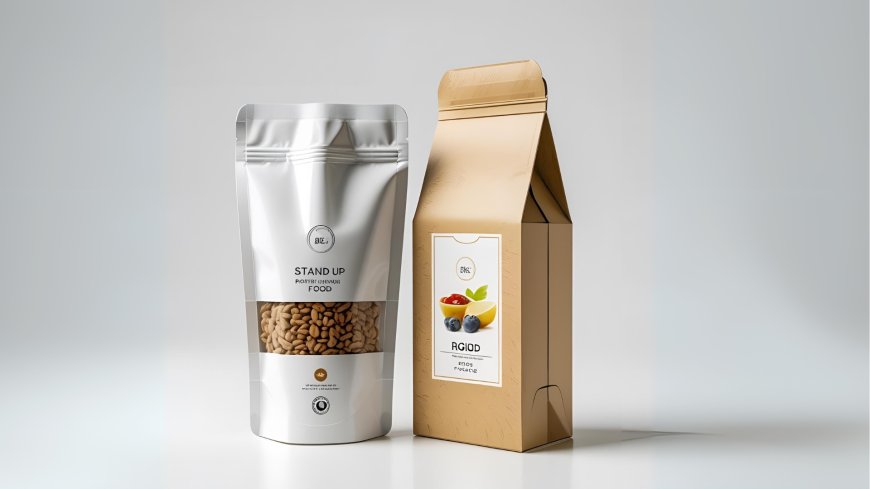
In the food industry, packaging is more than just a way to contain productsits a key player in brand perception, shelf appeal, and product longevity. As sustainability, cost-effectiveness, and functionality become increasingly important, many food businesses are faced with a common question: Should we choose pouches or rigid containers for our products?
Both flexible pouches and rigid containers serve important roles in the market. To help you decide whats best for your brand, were comparing the two packaging types across several crucial categories.
1. Cost Efficiency
Pouches are typically more affordable to produce and ship. They require less raw material and weigh less than rigid containers, making them cheaper to transport and store. For startups and small food businesses, pouches can provide significant cost savings while maintaining high-quality presentation.
Rigid containers, such as plastic tubs, glass jars, or metal cans, tend to be more expensive due to their material and manufacturing complexity. However, they may offer cost advantages in bulk or when used with automated filling and sealing lines that already exist in large operations.
Winner: Pouches for affordability and scalability.
2. Product Protection
Rigid containers excel when it comes to protecting delicate or perishable items. Their sturdy walls and tamper-evident closures make them ideal for products like sauces, beverages, and items requiring extended shelf life. They're also better at withstanding physical pressure during transport.
Pouches, on the other hand, have evolved significantly. Modern multi-layer barrier films can now protect against moisture, oxygen, and UV lightmaking them suitable for snacks, frozen foods, and even some liquids. However, they may be more prone to punctures if not handled carefully.
Winner: Depends on the product. Rigid for liquids or fragile goods; pouches for dry or frozen items.
3. Sustainability
Sustainability is a growing priority for consumers and businesses alike.
Pouches use less material overall, which results in lower carbon emissions during production and shipping. Many are now made with recyclable or compostable films, though recycling options vary by region.
Rigid containers, especially glass or certain plastics like PET, are more widely accepted in recycling programs. They also offer the benefit of being reusable in households, especially in premium or artisanal product lines.
Winner: Tie. Pouches reduce emissions; rigid containers support reuse and recycling.
4. Brand Perception and Shelf Appeal
Rigid containers convey a sense of premium quality and durability. Their heft and transparency (in the case of glass or clear plastic) allow consumers to see the product and feel confident in its value. This makes rigid containers ideal for gourmet or luxury food items.
Pouches, however, offer 360-degree branding space with high-quality printing options. Their sleek and modern look appeals to younger demographics and busy consumers who prioritize portability and convenience.
Winner: Tie. Rigid wins for premium appeal; pouches are great for modern, mobile lifestyles.
5. Consumer Convenience
Pouches are lightweight, portable, and often resealable. Theyre perfect for on-the-go snacks, baby food, and portion-controlled meals. Some come with spouts or zippers for added functionality.
Rigid containers, while bulkier, are easier to stack and store at home. They also offer better handling for messy products, like sauces or soups, and are ideal for fridge storage.
Winner: Depends on the use case. Pouches for travel and convenience; rigid containers for home storage and repeated use.
6. Storage and Transport
Pouches save spaceboth in your warehouse and on retail shelves. Their flat or stand-up design makes them ideal for tight storage and efficient palletizing.
Rigid containers take up more room and often require additional packaging (like cardboard dividers) to prevent breakage. Their weight also adds to shipping costs.
Winner: Pouches more efficient in every phase of logistics.
7. Customization and Variety
Pouches offer an incredible range of shapes, sizes, closures, and finishes. Whether you need matte, metallic, or windowed pouches, customization is easy and cost-effectiveeven in smaller batches.
Rigid containers also come in many formsbottles, jars, tubsbut custom molding and labeling can get expensive, especially for small businesses or limited product runs.
Winner: Pouches more budget-friendly customization options.
8. Application-Specific Preferences
Heres a quick look at where each packaging format thrives:
Best Products for Pouches:
-
Dried fruits and nuts
-
Granola and cereals
-
Frozen foods
-
Candy and confections
-
Powders and drink mixes
-
Pet treats
Best Products for Rigid Containers:
-
Pickled vegetables and sauces
-
Ready-to-drink beverages
-
Yogurts and dairy
-
Jams and spreads
-
Gourmet or glass-packaged foods
Conclusion: Whats Right for Your Product?
Theres no one-size-fits-all answer. Your ideal packaging depends on your product type, brand identity, sustainability goals, and customer expectations.
-
If you're targeting cost savings, shipping efficiency, and on-the-go convenienceflexible pouches are a smart choice.
-
If your product needs long-term protection, premium appeal, or rigid handlingcontainers might be your best bet.
In many cases, brands use a combination of both: pouches for individual servings and rigid containers for bulk sizes or high-end lines.
Need help deciding?
At Connover Packaging, we specialize in custom packaging solutions tailored to your product and market. Whether you're launching a new snack brand or rebranding a gourmet line, our experts can guide you to the perfect mix of form and function.
Explore our packaging options or contact us today for a custom consultation.